
 English











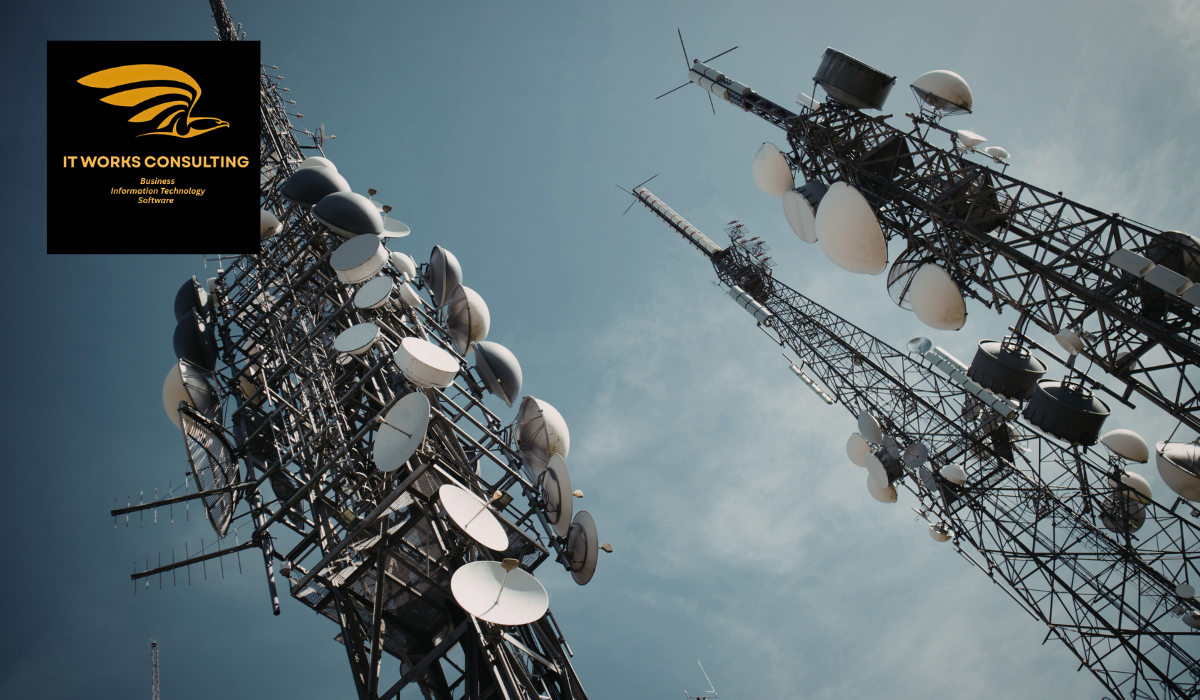
The telecommunication industry (telecom) is the invisible infrastructure powering the modern world. From mobile connectivity and broadband internet to cloud computing and IoT networks, telecom enables real-time communication, digital commerce, and emerging technologies like artificial intelligence (AI) and smart cities.
By 2025, the global telecom market generated approximately $1.55 trillion in revenue, underscoring its scale and economic importance.
However, the industry is undergoing a profound transformation. Traditional revenue streams are stagnating, while demand for data, connectivity, and digital services is exploding. Telecom operators are evolving from connectivity providers to digital platform enablers.
This guide explores the telecom industry in 2026—covering its structure, technologies, operations, trends, challenges, and growth strategies.
2. Telecom Industry Overview
2.1 What is the Telecommunication Industry?
The telecom industry includes companies that provide communication services via:
- Wireless networks (mobile services)
- Wired infrastructure (fiber optics, broadband)
- Satellite communications
- Internet services and digital platforms
2.2 Key Segments
1. Mobile Communications
- 2G, 3G, 4G, 5G networks
- Voice, SMS, and mobile data services
2. Fixed-Line & Broadband
- Fiber-optic broadband
- DSL and cable internet
- Fixed wireless access
3. Enterprise & B2B Services
- Cloud connectivity
- Managed networks
- IoT and edge computing
4. Infrastructure & Equipment
- Network equipment providers
- Towers and fiber infrastructure
3. Telecom Value Chain
The telecom ecosystem operates through a complex value chain:
3.1 Infrastructure Providers
- Tower companies
- Fiber network operators
3.2 Network Equipment Vendors
- Provide hardware and software (e.g., routers, base stations)
3.3 Telecom Operators
- Deliver services to consumers and enterprises
3.4 Service Providers & Platforms
- OTT apps, cloud providers, and digital platforms
3.5 End Users
- Consumers, businesses, and governments
4. Key Technologies Shaping Telecom (2026)
4.1 5G and Beyond
5G is the most transformative technology in telecom today.
- Ultra-low latency
- High-speed connectivity
- Massive device connectivity
Global adoption is accelerating rapidly, with projections indicating billions of 5G connections and strong long-term growth.
Use Cases:
- Smart cities
- Autonomous vehicles
- Industrial automation
- AR/VR applications
4.2 Artificial Intelligence (AI)
AI is redefining telecom networks and operations:
- Network optimization
- Predictive maintenance
- Customer personalization
- Fraud detection
- 90% of telecom operators report AI improves revenue and reduces costs
- AI-native networks are expected before 6G deployment
4.3 Edge Computing
Edge computing processes data closer to the user, reducing latency.
Benefits:
- Faster data processing
- Improved user experience
- Reduced network congestion
Use Cases:
- Gaming
- IoT applications
- Real-time analytics
4.4 Open RAN (Open Radio Access Networks)
Open RAN enables:
- Vendor interoperability
- Lower costs
- Faster innovation
This is breaking the dominance of traditional telecom vendors and increasing competition.
4.5 Cloud-Native Networks
Telecom networks are moving to:
- Software-defined architectures
- Virtualized network functions
- Multi-cloud environments
This allows telecom companies to scale rapidly and innovate faster.
4.6 6G Research and Development
While 5G is still expanding, 6G research is underway:
- Terahertz spectrum
- Ultra-low latency (microseconds)
- AI-native infrastructure
6G is expected to become commercially viable around 2030.
4.7 Internet of Things (IoT)
IoT is a major growth driver:
- Connected devices projected to reach billions
- Applications across industries
Key Sectors:
- Healthcare
- Manufacturing
- Agriculture
- Smart homes
4.8 Satellite & Non-Terrestrial Networks
Satellite networks (LEO constellations) are expanding connectivity:
- Rural and remote coverage
- Disaster recovery communications
5. Telecom Industry Trends (2026)
5.1 AI-Native Telecom Networks
Telecom is transitioning from automation to fully autonomous networks:
- Self-healing infrastructure
- AI-driven traffic management
- Intelligent service delivery
5.2 5G Monetization Challenges
Despite heavy investments, monetizing 5G remains a key challenge:
- Flat ARPU (Average Revenue Per User)
- High capital expenditure
Operators are exploring:
- Enterprise solutions
- Private 5G networks
- Industry-specific use cases
5.3 Rise of B2B and “Beyond Connectivity” Services
Telecom companies are expanding into:
- Cloud services
- Cybersecurity
- IoT platforms
The “beyond connectivity” market represents a massive opportunity, potentially worth hundreds of billions of dollars.
5.4 Convergence of Telecom and AI Infrastructure
AI growth is driving demand for:
- Data centers
- Fiber networks
- High-capacity connectivity
Telecom providers are becoming key enablers of AI ecosystems.
5.5 Network Automation & Self-Healing Systems
AI-driven automation is reducing operational costs and improving reliability.
- 65% of telecom operators are implementing AI-driven automation
5.6 Sustainability & Green Telecom
Key focus areas:
- Energy-efficient networks
- Renewable-powered infrastructure
- Carbon footprint reduction
5.7 Digital Trust & Cybersecurity
With increasing cyber threats:
- Secure networks are critical
- Data privacy regulations are tightening
5.8 Market Consolidation
The telecom industry is witnessing:
- Mergers and acquisitions
- Strategic partnerships
- Infrastructure sharing
6. Telecom Operations: How the Industry Works
6.1 Network Operations
Telecom operations include:
- Network planning
- Deployment
- Monitoring and maintenance
6.2 OSS/BSS Systems
- OSS (Operations Support Systems): Network management
- BSS (Business Support Systems): Billing, CRM, customer management
6.3 Customer Lifecycle Management
Stages:
- Acquisition
- Onboarding
- Engagement
- Retention
6.4 Supply Chain Management
Telecom supply chains involve:
- Equipment sourcing
- Infrastructure deployment
- Vendor management
6.5 Regulatory Compliance
Telecom is highly regulated:
- Spectrum allocation
- Licensing requirements
- Data protection laws
7. Business Models in Telecom
7.1 Traditional Model
- Voice and data services
- Subscription-based revenue
7.2 Bundling Strategies
Companies are bundling services:
- Mobile + broadband
- Content + connectivity
This strategy has proven effective in driving subscriber growth.
7.3 Platform-Based Models
Telecom companies are evolving into platforms offering:
- Cloud services
- APIs
- Digital ecosystems
7.4 Infrastructure Monetization
- Leasing towers and fiber
- Network-as-a-service
7.5 Enterprise Solutions
- Private networks
- IoT solutions
- Industry-specific services
8. Challenges Facing the Telecom Industry
8.1 High Capital Expenditure
5G and fiber deployments require massive investments.
8.2 Pricing Pressure
- Intense competition
- Low ARPU growth
8.3 Network Complexity
- Multi-layered architectures
- Integration challenges
8.4 Cybersecurity Risks
- Increasing cyber threats
- Need for robust security frameworks
8.5 Regulatory Challenges
- Compliance costs
- Spectrum licensing issues
9. Growth Strategies for Telecom Companies
9.1 Diversification into Digital Services
Telecom operators must expand beyond connectivity into:
- Cloud
- AI services
- Cybersecurity
9.2 Focus on Enterprise Markets
B2B services offer higher margins and growth potential.
9.3 AI-Driven Efficiency
AI helps reduce costs and improve performance:
- Network automation
- Predictive maintenance
9.4 Strategic Partnerships
- Collaborations with hyperscalers
- Ecosystem partnerships
9.5 Customer Experience Transformation
- Personalization
- Omnichannel engagement
9.6 Infrastructure Sharing
- Reduces costs
- Improves ROI
9.7 Monetizing Data and APIs
Telecom companies can monetize:
- Network data
- Developer ecosystems
10. Regional Insights
10.1 India
India is one of the fastest-growing telecom markets:
- Rapid 5G expansion
- Strong competition
- Massive subscriber base
Recent reports highlight significant growth driven by 5G rollout and expanding digital services.
10.2 North America
- Mature market
- Focus on innovation and enterprise services
10.3 Europe
- Strong regulatory environment
- Emphasis on sustainability
10.4 Asia-Pacific
- High growth potential
- Large-scale digital transformation
11. Future Outlook (2026–2030)
11.1 From Connectivity to Digital Infrastructure
Telecom will evolve into:
- Digital service platforms
- AI infrastructure providers
11.2 Growth Driven by AI and Data
AI and data demand will reshape telecom economics.
- Data traffic growth
- AI-driven services
11.3 Emergence of 6G
- Ultra-fast connectivity
- New use cases
11.4 Industry Convergence
Telecom will merge with:
- Cloud computing
- Media
- Technology platforms
12. Conclusion
The telecommunication industry in 2026 stands at a critical inflection point. While traditional revenue streams face stagnation, new opportunities are emerging through AI, 5G, enterprise services, and digital platforms.
Key takeaways:
- Telecom is shifting from connectivity provider → digital ecosystem enabler
- AI and automation are becoming core capabilities
- Growth lies in enterprise services and beyond connectivity offerings
- Strategic transformation is essential for long-term success
Despite modest revenue growth projections, telecom remains one of the most vital industries powering the global digital economy. Its future will be defined not just by faster networks—but by its ability to enable the next generation of digital innovation.
-
May 28, 2026 How to Connect a Domain to Your Linux Server
-
May 28, 2026 How to Install WordPress on Linux Hosting
-
May 28, 2026 How to Install WordPress on Linux Hosting
-
May 28, 2026 How to Install WordPress on Linux Hosting