
 English










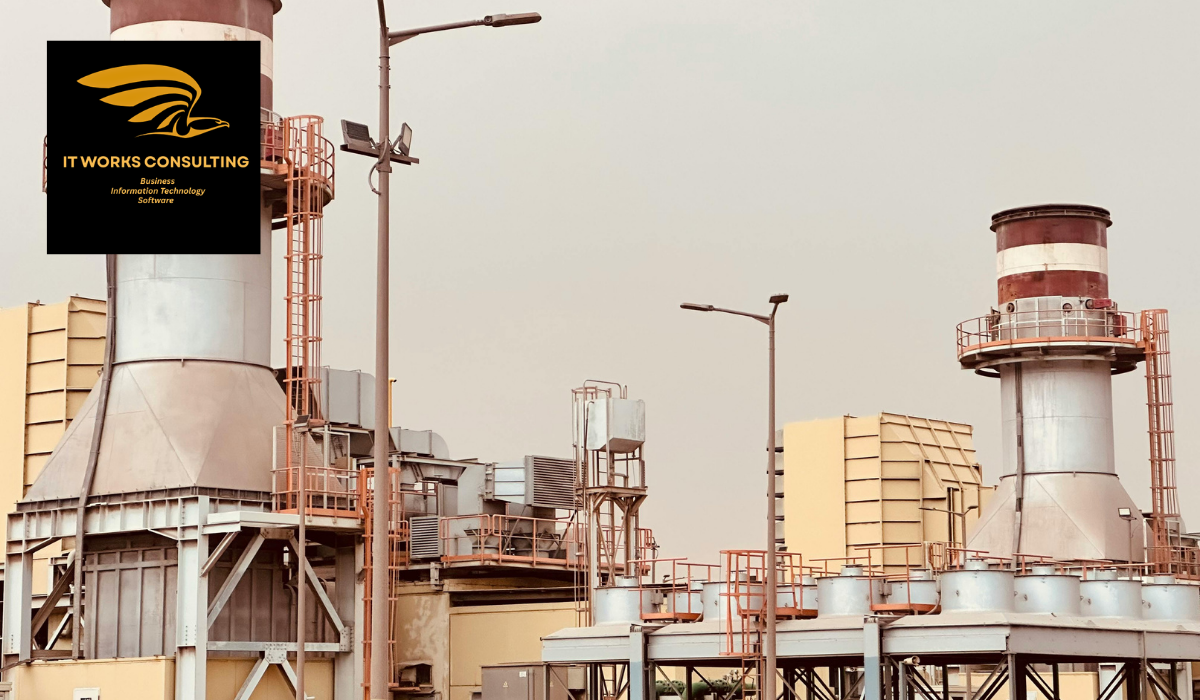
The energy and utilities industry forms the backbone of modern economies. It powers homes, fuels industries, enables digital infrastructure, and supports transportation systems. From electricity generation to gas distribution, the sector ensures the continuous flow of energy across vast and complex networks.
In 2026, the industry is undergoing one of the most significant transformations in its history. Rapid electrification, the rise of renewable energy, climate change pressures, and the explosion of artificial intelligence (AI)-driven demand are reshaping how energy is produced, delivered, and consumed.
At its core, the industry operates through a value chain consisting of:
- Energy generation
- Transmission infrastructure
- Distribution networks
- Retail supply and customer management
- Supporting supply chains and ecosystems
This guide explores each component in depth while analyzing sustainability challenges and future trends shaping the sector in 2026 and beyond.
2. Structure of the Energy & Utilities Industry
2.1 Key Segments
The industry is broadly divided into:
-
Power (Electricity)
- Generation (thermal, nuclear, renewable)
- Transmission
- Distribution
-
Oil & Gas
- Upstream (exploration & production)
- Midstream (transportation & storage)
- Downstream (refining & distribution)
-
Renewable Energy
- Solar, wind, hydro, geothermal, biomass
-
Utilities
- Electricity utilities
- Gas utilities
- Water utilities
-
Emerging Energy Systems
- Hydrogen economy
- Energy storage systems
- Microgrids and decentralized energy
3. Energy Generation: The Starting Point
3.1 What is Energy Generation?
Energy generation refers to the process of converting natural resources into usable electricity or fuel. It is the first stage of the energy value chain.
3.2 Types of Energy Generation
A. Conventional Energy Sources
- Coal – Historically dominant but declining due to emissions
- Natural Gas – Flexible and widely used for peak demand
- Nuclear Power – Reliable baseload energy with low emissions
Despite the transition to clean energy, natural gas remains critical for grid stability and peak load balancing.
B. Renewable Energy Sources
- Solar Power
- Wind Energy
- Hydropower
- Biomass & Geothermal
Renewables accounted for the majority of new capacity additions globally, signaling a strong shift toward decarbonization.
Recent data shows clean electricity generation surpassing fossil fuels in some regions, highlighting the accelerating transition.
C. Emerging Generation Technologies
- Small Modular Reactors (SMRs)
- Hydrogen-based power
- Distributed energy resources (DERs)
SMRs are gaining traction due to scalability and lower upfront costs, though supply chain challenges remain.
3.3 Challenges in Generation
- Intermittency of renewables
- High capital investment
- Regulatory hurdles
- Long project timelines
4. Transmission: The Backbone of Energy Systems
4.1 What is Transmission?
Transmission involves transporting electricity over long distances from power plants to substations using high-voltage lines.
4.2 Key Components
- High-voltage transmission lines
- Substations
- Transformers
- Grid management systems
4.3 Importance of Transmission
Transmission ensures:
- Efficient energy flow across regions
- Integration of renewable energy
- Grid stability and reliability
However, infrastructure gaps are becoming a major bottleneck. In many regions, renewable energy cannot reach demand centers due to insufficient transmission capacity.
4.4 Transmission Challenges
- Aging infrastructure
- Long approval timelines
- High capital costs
- Land and environmental constraints
Global estimates suggest that transmission expansion must accelerate significantly to meet future demand.
5. Distribution: Delivering Energy to End Users
5.1 What is Distribution?
Distribution is the final stage where electricity is delivered from substations to residential, commercial, and industrial consumers.
5.2 Key Components
- Distribution lines (overhead and underground)
- Distribution transformers
- Smart meters
- Local substations
5.3 Smart Distribution Systems
Modern distribution networks are evolving into smart grids, featuring:
- Real-time monitoring
- Automated fault detection
- Demand response systems
- Integration with distributed energy sources
5.4 Challenges in Distribution
- Grid congestion
- Integration of rooftop solar and EV charging
- Reliability issues during extreme weather
Utilities are increasingly adopting advanced technologies like dynamic line rating and virtual power plants to enhance grid capacity.
6. Energy Supply Chain: Complexity and Resilience
6.1 Overview of the Energy Supply Chain
The energy supply chain includes:
- Raw material sourcing (coal, gas, uranium, minerals)
- Equipment manufacturing (turbines, transformers)
- Infrastructure development
- Logistics and transportation
- Retail supply and billing
6.2 Key Supply Chain Components
A. Fuel Supply Chains
- Oil & gas pipelines
- LNG shipping
- Coal logistics
B. Equipment Supply Chains
- Turbines
- Solar panels
- Wind blades
- Batteries
- Grid equipment
C. Infrastructure Supply Chains
- Transmission lines
- Substations
- Storage systems
6.3 Supply Chain Challenges in 2026
The industry faces multiple disruptions:
- Long lead times for critical equipment like transformers
- Geopolitical risks and trade fragmentation
- Dependence on limited suppliers (e.g., rare earth materials)
6.4 Building Supply Chain Resilience
Energy companies are adopting strategies such as:
- Supplier diversification
- Reshoring manufacturing
- Strategic partnerships
- Digital supply chain management
Resilience has become a competitive advantage, not just a risk mitigation strategy.
7. Sustainability and Energy Transition
7.1 The Shift Toward Clean Energy
Sustainability is at the center of the industry transformation. Governments and companies are committing to:
- Net-zero emissions targets
- Renewable energy adoption
- Carbon reduction strategies
7.2 Key Sustainability Drivers
- Climate change policies
- ESG (Environmental, Social, Governance) mandates
- Consumer demand for clean energy
- Corporate sustainability goals
7.3 Decarbonization Strategies
A. Renewable Energy Expansion
Solar and wind are leading the transition.
B. Electrification
Transport, heating, and industry are shifting toward electricity.
C. Carbon Capture & Storage (CCS)
Reducing emissions from fossil fuel plants.
D. Energy Efficiency
Optimizing energy use across sectors.
7.4 Challenges in Sustainability
- Intermittent renewable supply
- Grid integration issues
- High upfront investment
- Policy uncertainty
8. Digital Transformation in Energy & Utilities
8.1 Role of Digital Technologies
Digital transformation is reshaping operations across the energy value chain.
Key technologies include:
- Artificial Intelligence (AI)
- Internet of Things (IoT)
- Big Data analytics
- Cloud computing
- Blockchain
AI is increasingly used for predictive maintenance, grid optimization, and demand forecasting.
8.2 Smart Grids and Automation
Smart grids enable:
- Real-time energy balancing
- Integration of distributed energy resources
- Enhanced reliability
8.3 Benefits of Digitalization
- Improved efficiency
- Reduced downtime
- Better customer experience
- Enhanced decision-making
9. Market Dynamics and Industry Economics
9.1 Demand Growth
Energy demand is rising due to:
- AI data centers
- Electrification of transport
- Industrial expansion
Peak electricity demand is expected to grow significantly over the next decade.
9.2 Investment Trends
Key investment areas:
- Renewable energy projects
- Grid infrastructure
- Energy storage
- Hydrogen technologies
9.3 Regulatory Environment
The industry is highly regulated, with governments controlling:
- Pricing
- Emissions standards
- Infrastructure approvals
10. Key Challenges Facing the Industry
10.1 Infrastructure Constraints
Aging grids and limited transmission capacity
10.2 Energy Security
Frequent global energy disruptions and geopolitical tensions
10.3 Rising Costs
Equipment, labor, and project costs are increasing
10.4 Climate Risks
Extreme weather events affecting infrastructure
10.5 Talent Shortages
Need for skilled workforce in digital and renewable domains
11. Future Trends in the Energy & Utilities Industry (2026 & Beyond)
11.1 AI-Driven Energy Demand
AI is emerging as a major energy consumer, significantly increasing electricity demand globally.
11.2 Grid Modernization
- Smart grids
- Digital twins
- Advanced analytics
11.3 Decentralized Energy Systems
- Microgrids
- Distributed generation
- Peer-to-peer energy trading
11.4 Energy Storage Expansion
- Battery storage systems
- Long-duration energy storage
11.5 Hydrogen Economy
Hydrogen is gaining attention as a clean fuel for:
- Industry
- Transportation
- Power generation
11.6 Electrification of Everything
- Electric vehicles (EVs)
- Electric heating systems
- Industrial electrification
11.7 Nuclear Renaissance
Advanced nuclear technologies, including SMRs, are expected to play a larger role in clean energy supply.
11.8 Energy-as-a-Service (EaaS)
Utilities are evolving from commodity providers to service providers offering:
- Energy management
- Efficiency solutions
- Integrated energy services
12. Conclusion
The energy and utilities industry is at a critical inflection point in 2026. The traditional centralized model is giving way to a more dynamic, decentralized, and digital ecosystem.
Key takeaways:
- Generation is shifting toward renewables and flexible capacity
- Transmission and distribution networks are under pressure to modernize
- Supply chains must become more resilient and localized
- Sustainability is no longer optional—it is a strategic priority
- Digital transformation is redefining how energy systems operate
As energy demand surges and the global transition accelerates, companies that embrace innovation, resilience, and sustainability will lead the next era of the industry.
The future of energy is not just about producing power—it’s about intelligently managing it across an increasingly complex and interconnected system.
-
May 28, 2026 How to Connect a Domain to Your Linux Server
-
May 28, 2026 How to Install WordPress on Linux Hosting
-
May 28, 2026 How to Install WordPress on Linux Hosting
-
May 28, 2026 How to Install WordPress on Linux Hosting