








preloader
logo

About Us

We are

About Us
bg-shape
Mill Products Apr 28, 2026

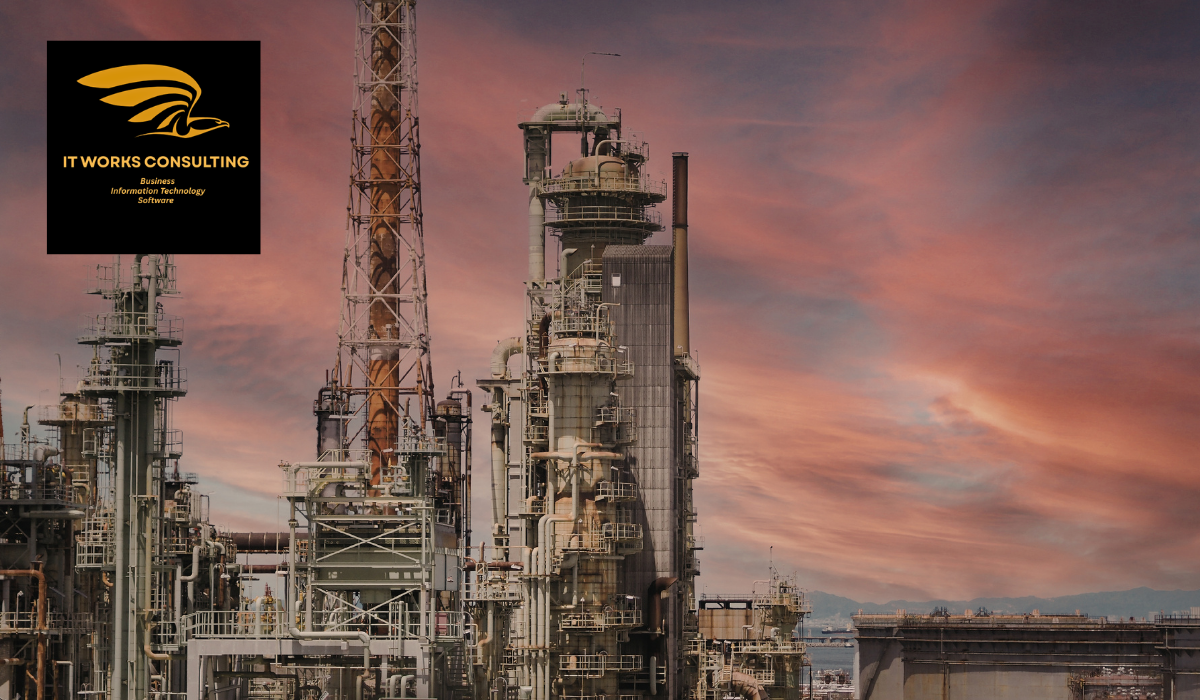
Key Segments: Metals, Paper, Textiles, Plastics & Building Materials

The mill products industry forms the backbone of modern industrial economies. It encompasses sectors that convert raw materials into standardized, semi-finished, or finished products through continuous or batch processing. Unlike discrete manufacturing, where products are assembled as distinct units, mill products are typically produced in bulk and measured by weight, volume, or length.

Explore More

Mill Products Apr 28, 2026

Difference Between Mill Products vs Discrete Manufacturing

Manufacturing industries can broadly be divided into two major categories: mill products manufacturing and discrete manufacturing. While both transform raw materials into finished goods, the way they operate, manage production, handle materials, and deliver outputs differs significantly. Understanding these differences is essential for business leaders, operations managers, supply chain professionals, and technology implementers, especially in an era of digital transformation and Industry 4.0.

Explore More
Mill Products Apr 28, 2026

Definition and Characteristics of Mill Products Manufacturing

Mill products manufacturing is one of the oldest and most fundamental industrial activities in human history. From the early days of metal extraction and wood processing to today’s highly automated steel plants and advanced materials industries, mill products form the backbone of modern economies. These industries produce the essential raw and semi-finished materials that feed into construction, automotive, aerospace, energy, infrastructure, and countless other sectors.

Explore More
Mill Products Apr 27, 2026

What Is the Mill Products Industry? Meaning, Scope & Key Segments

The mill products industry is a foundational pillar of the global industrial economy. It encompasses a wide range of sectors that transform raw materials—such as metals, wood, fibers, minerals, and chemicals—into semi-finished or finished products through continuous processing techniques like rolling, grinding, pulping, and extrusion. Unlike discrete manufacturing industries (such as automotive or electronics), where distinct parts are assembled into final products, mill industries operate on a fundamentally different principle: they start with bulk raw materials and convert them into multiple product variations with differing specifications.

Explore More
Mill Products Apr 23, 2026

Ultimate Guide to the Mill Products Industry: Extraction, Processing, Supply Chain, Sustainability & Future Trends (2026)

The mill products industry is one of the oldest and most foundational pillars of global industrialization. It forms the backbone of modern manufacturing by transforming raw materials extracted from nature into usable intermediate and finished goods. This industry encompasses a wide range of sectors, including: Metals (steel, aluminum) Pulp and paper Textiles Plastics Building materials (cement, wood products) These industries share a common characteristic: they process raw materials in bulk into standardized or semi-standardized products such as sheets, rolls, fibers, or beams.

Explore More