
 English











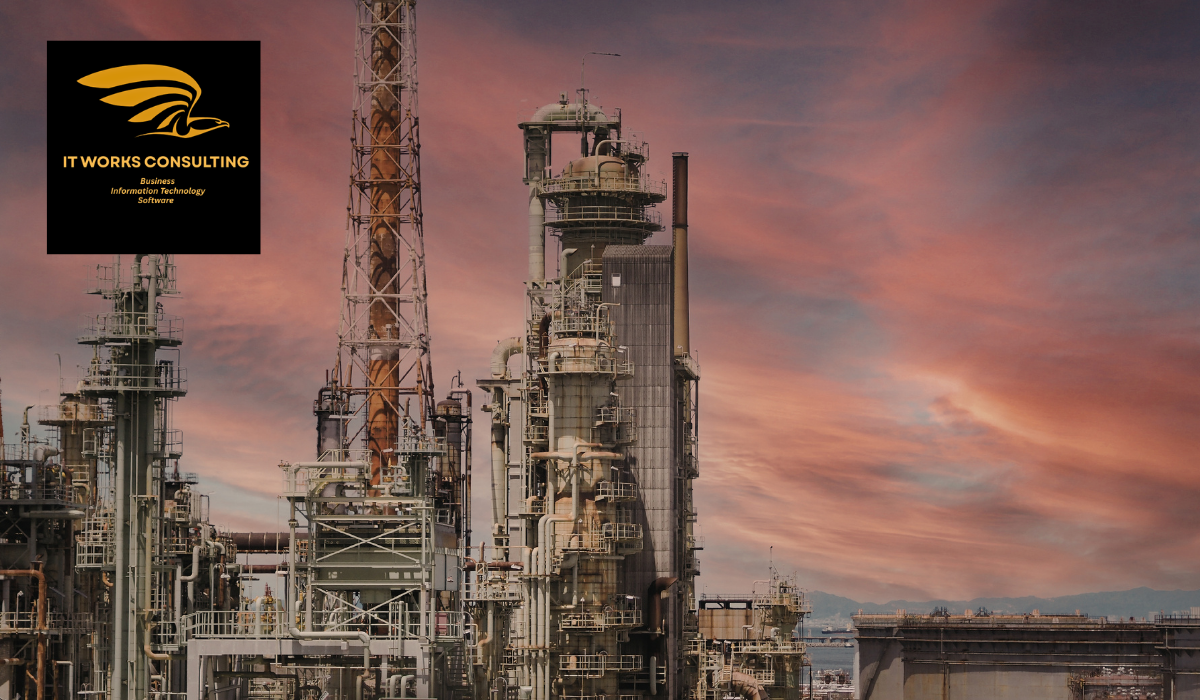
1. Introduction to the Mill Products Industry
The mill products industry is one of the oldest and most foundational pillars of global industrialization. It forms the backbone of modern manufacturing by transforming raw materials extracted from nature into usable intermediate and finished goods.
This industry encompasses a wide range of sectors, including:
- Metals (steel, aluminum)
- Pulp and paper
- Textiles
- Plastics
- Building materials (cement, wood products)
These industries share a common characteristic: they process raw materials in bulk into standardized or semi-standardized products such as sheets, rolls, fibers, or beams.
Unlike discrete manufacturing (e.g., automobiles), mill products industries often follow an “inverted bill of materials” approach—where one raw input generates multiple output variations (e.g., steel slabs becoming sheets, coils, and plates).
2. Key Segments of the Mill Products Industry
2.1 Metals Industry
Includes steel, aluminum, copper, and specialty alloys. These materials are essential for construction, automotive, and infrastructure.
2.2 Pulp & Paper Industry
Transforms wood into paper, packaging materials, and tissue products.
2.3 Textile Industry
Processes fibers like cotton, wool, and synthetics into fabrics and garments.
2.4 Building Materials
Cement, glass, and wood products used in construction.
2.5 Plastics and Packaging
Polymer-based materials used across consumer and industrial applications.
3. Extraction: The Starting Point
The value chain begins with the extraction of raw materials from natural sources.
3.1 Mining and Metals Extraction
- Iron ore, bauxite, and copper are mined.
- These are processed into primary metals through smelting and refining.
3.2 Forestry and Biomass
- Trees are harvested for pulp, paper, and timber.
- Sustainable forestry practices are increasingly critical.
3.3 Agriculture-Based Inputs
- Cotton, flax, and jute for textiles.
- Biomass for bio-based materials.
3.4 Quarrying and Mineral Extraction
- Limestone and clay for cement.
- Sand and silica for glass.
Extraction industries are capital-intensive and heavily regulated due to environmental and social impacts.
4. Processing in Mill Products Industry
Processing transforms raw materials into usable forms.
4.1 Primary Processing
- Crushing, grinding, and refining raw materials.
- Example: raw mills in cement production grind materials into uniform mixtures.
4.2 Secondary Processing
- Rolling, cutting, spinning, or pulping.
- Example: steel rolling mills produce sheets and coils.
4.3 Finishing Processes
- Coating, polishing, dyeing, or laminating.
- Adds functionality and aesthetic value.
4.4 Unique Manufacturing Characteristics
Mill industries differ from other manufacturing types:
- Continuous or semi-continuous processes
- High-volume production
- Material variability (size, weight, thickness)
- Complex planning due to multiple output variations
5. Equipment and Technologies
Mill industries rely on specialized machinery such as:
- Rolling mills (metals)
- Grinders and crushers
- Paper machines
- Spinning and weaving machines
- Extrusion systems (plastics)
Historically, mills were powered by water or wind, but modern facilities use advanced automation and energy systems.
6. Supply Chain in Mill Products Industry
The supply chain is complex and spans multiple stages.
6.1 Upstream Supply Chain
- Raw material sourcing
- Supplier management
- Transportation logistics
6.2 Manufacturing and Operations
- Production planning
- Inventory management
- Quality control
6.3 Downstream Distribution
- Warehousing
- Transportation
- Customer delivery
6.4 Key Supply Chain Characteristics
- Bulk material handling
- Variable product dimensions
- High logistics costs
- Demand volatility
Modern mill industries require end-to-end supply chain integration, from product design to delivery.
7. Digital Transformation in Mill Products
Digitalization is reshaping the industry.
7.1 ERP and Integrated Systems
Enterprise systems integrate:
- Production
- Supply chain
- Finance
- Customer management
7.2 AI and Advanced Analytics
- Demand forecasting
- Predictive maintenance
- Supply chain risk management
7.3 IoT and Smart Manufacturing
- Real-time monitoring of equipment
- Improved asset utilization
7.4 Automation and Robotics
- Increased efficiency
- Reduced labor dependency
8. Sustainability in Mill Products Industry
Sustainability is now a core strategic priority.
8.1 Environmental Challenges
- High energy consumption
- Carbon emissions (especially steel and cement)
- Water usage
- Waste generation
8.2 Circular Economy
- Recycling metals and paper
- Reusing industrial waste
- Designing recyclable products
8.3 Green Manufacturing
- Renewable energy adoption
- Low-carbon technologies (e.g., green steel)
8.4 Regulatory Compliance
- Emission standards
- Environmental reporting
- ESG requirements
Companies are increasingly adopting sustainability frameworks to reduce environmental footprint and meet regulatory demands.
9. Challenges in the Mill Products Industry
9.1 High Material Waste
Scrap and leftover materials increase costs and environmental impact.
9.2 Complex Product Variants
Managing multiple product dimensions and specifications is difficult.
9.3 Supply Chain Disruptions
- Raw material shortages
- Transportation delays
- Price volatility
9.4 Energy and Cost Pressures
Energy-intensive processes increase operational costs.
9.5 Workforce Challenges
- Skilled labor shortages
- Safety concerns
10. Opportunities and Growth Drivers
10.1 Infrastructure Development
Growing demand for steel, cement, and construction materials.
10.2 Urbanization
Rising demand for housing, transportation, and utilities.
10.3 E-commerce and Packaging
Increased demand for paper and packaging materials.
10.4 Renewable Energy
Demand for materials used in wind turbines, solar panels, and EVs.
11. Regional Insights
11.1 Asia-Pacific
- Largest production hub
- China and India dominate steel and textile production
11.2 North America
- Advanced technologies
- Focus on sustainability
11.3 Europe
- Strong environmental regulations
- Innovation in green manufacturing
11.4 Emerging Markets
- Rapid industrialization
- Growing infrastructure investments
12. Future Trends (2026 and Beyond)
12.1 Industry 4.0 Adoption
- Smart factories
- Digital twins
- Real-time analytics
12.2 Green Steel and Low-Carbon Materials
- Hydrogen-based steel production
- Carbon capture technologies
12.3 AI-Driven Supply Chains
- Autonomous planning
- Predictive logistics
12.4 Customization and Flexibility
- On-demand production
- Mass customization
12.5 Resilient Supply Chains
- Diversified sourcing
- Nearshoring strategies
12.6 Circular Manufacturing
- Closed-loop systems
- Zero-waste production
13. Role of Innovation and R&D
Innovation is critical for competitiveness:
- New materials (lightweight, high-strength)
- Advanced coatings
- Sustainable alternatives (bio-based materials)
R&D investments are increasing to meet environmental and performance demands.
14. Competitive Landscape
The industry is characterized by:
- Large global players
- Regional manufacturers
- High capital requirements
- Consolidation and mergers
Companies compete on:
- Cost efficiency
- Product quality
- Innovation
- Sustainability
15. Conclusion
The mill products industry is a cornerstone of the global economy, bridging the gap between raw material extraction and finished goods manufacturing. It plays a vital role across multiple sectors, from construction and automotive to packaging and textiles.
As we move into 2026 and beyond, the industry is undergoing a profound transformation driven by:
- Digitalization
- Sustainability
- Supply chain innovation
- Advanced manufacturing technologies
Companies that successfully integrate these elements will be better positioned to navigate challenges, seize opportunities, and achieve long-term growth.
-
May 28, 2026 How to Connect a Domain to Your Linux Server
-
May 28, 2026 How to Install WordPress on Linux Hosting
-
May 28, 2026 How to Install WordPress on Linux Hosting
-
May 28, 2026 How to Install WordPress on Linux Hosting