
 English











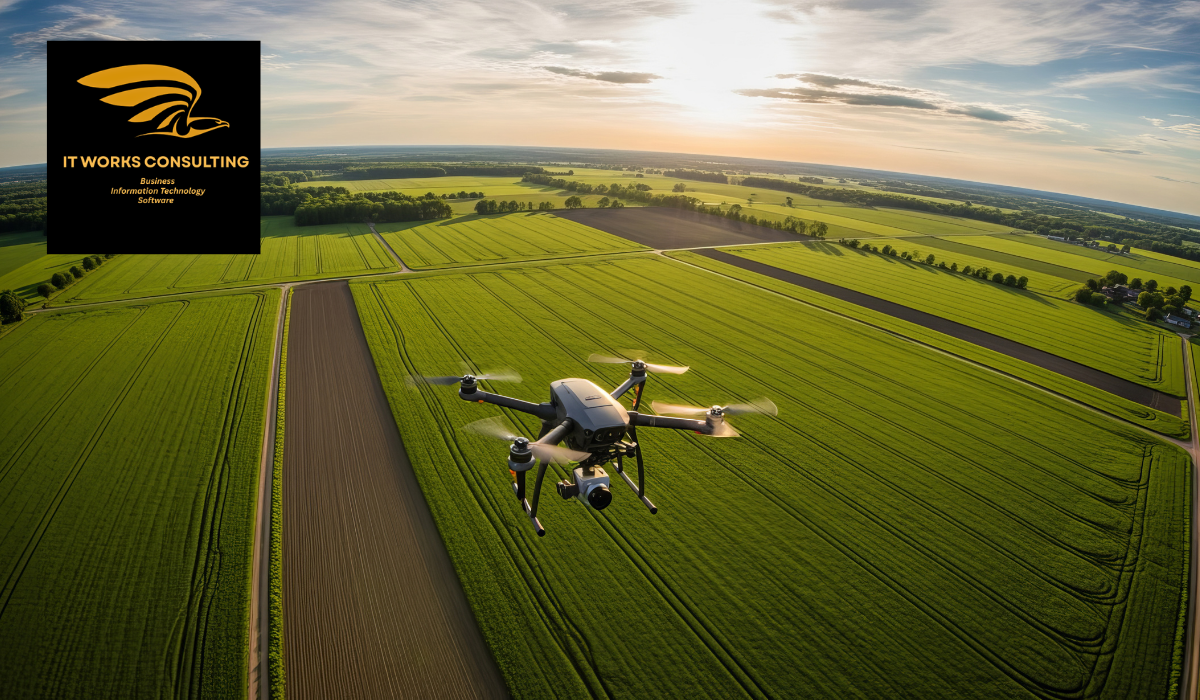
Agriculture remains the backbone of many economies, especially in developing nations, where it supports livelihoods, ensures food security, and contributes significantly to GDP. However, producing crops and livestock is only one part of the agricultural ecosystem. The real challenge—and opportunity—lies in efficiently moving these products from farms to consumers. This is where agricultural marketing and supply chain management come into play.
Agricultural marketing encompasses all activities involved in the movement of agricultural goods from the farm to the consumer, including production planning, harvesting, grading, packaging, storage, transportation, pricing, and distribution. The agricultural supply chain, on the other hand, refers to the interconnected network of stakeholders, processes, and infrastructure that enable this flow.
This article explores the structure, functions, challenges, and future of agricultural marketing and supply chains, offering a deep understanding of how they operate and why they are critical for economic development and food sustainability.
1. Understanding Agricultural Marketing
1.1 Definition and Scope
Agricultural marketing refers to the sum of all operations involved in the movement of farm produce from the producer to the final consumer. It includes both physical and economic activities such as:
- Assembling
- Processing
- Grading and standardization
- Storage
- Transportation
- Financing
- Risk-bearing
- Selling
The scope of agricultural marketing extends beyond selling produce; it includes understanding market demand, price trends, consumer preferences, and policy environments.
1.2 Objectives of Agricultural Marketing
The primary objectives include:
- Ensuring fair prices for farmers
- Providing quality products to consumers
- Reducing post-harvest losses
- Improving market efficiency
- Enhancing income distribution across the value chain
2. Agricultural Supply Chain: Structure and Components
2.1 Key Stages in the Agricultural Supply Chain
The agricultural supply chain typically involves the following stages:
-
Input Supply
Includes seeds, fertilizers, pesticides, machinery, and labor. -
Production
Farming activities such as cultivation, irrigation, and harvesting. -
Aggregation
Collection of produce from multiple farmers by intermediaries or cooperatives. -
Processing
Transformation into consumable or value-added products. -
Storage
Warehousing and cold storage to maintain quality. -
Transportation
Movement of goods to markets or processing centers. -
Distribution and Retail
Selling through wholesalers, retailers, or direct channels. -
Consumption
Final purchase by consumers.
2.2 Stakeholders in the Supply Chain
- Farmers
- Aggregators and traders
- Processors
- Logistics providers
- Wholesalers
- Retailers
- Exporters
- Government agencies
- Consumers
Each stakeholder plays a specific role, and inefficiencies at any stage can impact the entire chain.
3. Functions of Agricultural Marketing
3.1 Exchange Functions
These involve transfer of ownership:
- Buying and selling
- Price determination through negotiation or market forces
3.2 Physical Functions
These relate to handling and movement:
- Storage
- Transportation
- Processing
3.3 Facilitating Functions
These support smooth operations:
- Financing
- Risk management
- Market information systems
- Standardization and grading
4. Types of Agricultural Markets
4.1 Primary Markets
Local markets where farmers sell directly to traders or consumers.
4.2 Secondary Markets
Larger markets where bulk trading occurs, often involving wholesalers.
4.3 Terminal Markets
Urban markets where produce is finally sold to retailers or consumers.
4.4 Digital and Online Markets
E-commerce platforms and digital marketplaces that connect farmers directly with buyers.
5. Price Discovery and Market Mechanisms
5.1 Factors Influencing Prices
- Supply and demand
- Seasonal variations
- Weather conditions
- Government policies
- Global market trends
5.2 Pricing Systems
- Open auction systems
- Minimum Support Price (MSP)
- Contract pricing
- Commodity exchanges
5.3 Role of Market Information
Access to real-time data on prices, demand, and supply helps farmers make informed decisions and reduces exploitation.
6. Supply Chain Models in Agriculture
6.1 Traditional Supply Chain
Characterized by multiple intermediaries, lack of transparency, and inefficiencies.
6.2 Integrated Supply Chain
Vertical integration where a single entity controls multiple stages (e.g., production to retail).
6.3 Contract Farming
Farmers enter agreements with buyers before production, ensuring assured markets and prices.
6.4 Cooperative Models
Farmer cooperatives aggregate produce and negotiate better prices collectively.
6.5 Direct-to-Consumer (D2C)
Farmers sell directly to consumers via farmers’ markets or online platforms, reducing intermediaries.
7. Role of Infrastructure in Agricultural Supply Chain
7.1 Storage Infrastructure
- Warehouses
- Silos
- Cold storage facilities
7.2 Transportation
Efficient road, rail, and logistics systems are crucial for timely delivery.
7.3 Processing Facilities
Value addition increases shelf life and profitability.
7.4 Market Yards and Mandis
Physical marketplaces where trading occurs.
8. Challenges in Agricultural Marketing and Supply Chain
8.1 Fragmented Land Holdings
Small farm sizes limit economies of scale.
8.2 Lack of Infrastructure
Insufficient storage and cold chain facilities lead to high post-harvest losses.
8.3 Price Volatility
Farmers face unpredictable income due to fluctuating prices.
8.4 Information Asymmetry
Limited access to market data puts farmers at a disadvantage.
8.5 Multiple Intermediaries
Increase costs and reduce farmers’ share of the final price.
8.6 Logistics Inefficiencies
Poor transportation increases delays and spoilage.
8.7 Regulatory Constraints
Complex policies and market restrictions hinder efficiency.
9. Government Policies and Interventions
9.1 Price Support Mechanisms
Minimum Support Prices ensure farmers receive a guaranteed price.
9.2 Market Reforms
Efforts to liberalize agricultural markets and allow direct selling.
9.3 Subsidies
Support for inputs like fertilizers, irrigation, and machinery.
9.4 Digital Initiatives
Online platforms for trading and market information dissemination.
9.5 Infrastructure Development
Investment in roads, storage, and cold chains.
10. Role of Technology in Agricultural Supply Chain
10.1 Digital Marketplaces
Enable direct interaction between farmers and buyers.
10.2 Blockchain
Enhances transparency and traceability in supply chains.
10.3 IoT (Internet of Things)
Used for monitoring storage conditions and crop health.
10.4 Data Analytics
Helps forecast demand and optimize pricing.
10.5 Mobile Applications
Provide real-time market prices, weather updates, and advisory services.
11. Value Chain Approach in Agriculture
11.1 Concept
Focuses on adding value at each stage of the supply chain to increase profitability.
11.2 Components
- Input supply
- Production
- Processing
- Marketing
- Consumption
11.3 Benefits
- Higher farmer income
- Reduced waste
- Better quality products
- Increased competitiveness
12. Role of Agribusiness Companies
Agribusiness firms play a vital role by:
- Providing inputs and technology
- Offering financing solutions
- Facilitating market access
- Investing in infrastructure
They often act as integrators in the supply chain, improving efficiency.
13. Export-Oriented Agricultural Supply Chains
13.1 Importance
Agricultural exports contribute to foreign exchange earnings.
13.2 Requirements
- Quality standards
- Certification
- Packaging
- Logistics and cold chain
13.3 Challenges
- Compliance with international regulations
- Price competitiveness
- Supply consistency
14. Sustainable Agricultural Supply Chains
14.1 Environmental Sustainability
- Reduced chemical usage
- Efficient water management
- Soil conservation
14.2 Social Sustainability
- Fair wages
- Ethical labor practices
14.3 Economic Sustainability
- Stable incomes for farmers
- Long-term profitability
15. Role of Cooperatives and Farmer Producer Organizations (FPOs)
15.1 Functions
- Aggregation of produce
- Collective bargaining
- Access to credit and inputs
- Market linkage
15.2 Benefits
- Economies of scale
- Improved market access
- Better price realization
16. Risk Management in Agricultural Supply Chains
16.1 Types of Risks
- Weather-related risks
- Market risks
- Financial risks
- Operational risks
16.2 Mitigation Strategies
- Crop insurance
- Diversification
- Forward contracts
- Hedging in commodity markets
17. Cold Chain Management
17.1 Importance
Essential for perishable goods like fruits, vegetables, dairy, and meat.
17.2 Components
- Pre-cooling
- Refrigerated storage
- Refrigerated transport
17.3 Challenges
- High costs
- Energy requirements
- Infrastructure gaps
18. Logistics and Distribution Strategies
18.1 Efficient Routing
Minimizes time and cost.
18.2 Last-Mile Delivery
Critical for urban markets.
18.3 Inventory Management
Balances supply and demand to reduce waste.
19. Future Trends in Agricultural Marketing and Supply Chain
19.1 Digital Transformation
Increasing use of AI, big data, and blockchain.
19.2 Direct Farmer-to-Consumer Models
Growing demand for fresh and organic produce.
19.3 Sustainable Practices
Focus on eco-friendly supply chains.
19.4 Globalization
Expansion of international trade opportunities.
19.5 Smart Agriculture
Integration of precision farming with supply chain systems.
20. Case for Reform and Modernization
Modernizing agricultural marketing systems is essential to:
- Reduce inefficiencies
- Increase farmer incomes
- Ensure food security
- Enhance competitiveness
Key reforms include:
- Market liberalization
- Infrastructure investment
- Technology adoption
- Policy simplification
Conclusion
Agricultural marketing and supply chain management are critical pillars of the agricultural economy. While production determines the quantity of output, marketing and supply chains determine the value realized from that output. Efficient systems ensure that farmers receive fair compensation while consumers get quality products at reasonable prices.
Despite significant challenges—ranging from infrastructure gaps to market inefficiencies—there are immense opportunities for transformation through technology, policy reforms, and innovative business models. The shift towards integrated, transparent, and sustainable supply chains is not just desirable but necessary for the future of agriculture.
As the global population grows and demand for food increases, strengthening agricultural marketing and supply chains will play a decisive role in ensuring economic growth, rural development, and food security for generations to come.
-
May 28, 2026 How to Connect a Domain to Your Linux Server
-
May 28, 2026 How to Install WordPress on Linux Hosting
-
May 28, 2026 How to Install WordPress on Linux Hosting
-
May 28, 2026 How to Install WordPress on Linux Hosting