
 English











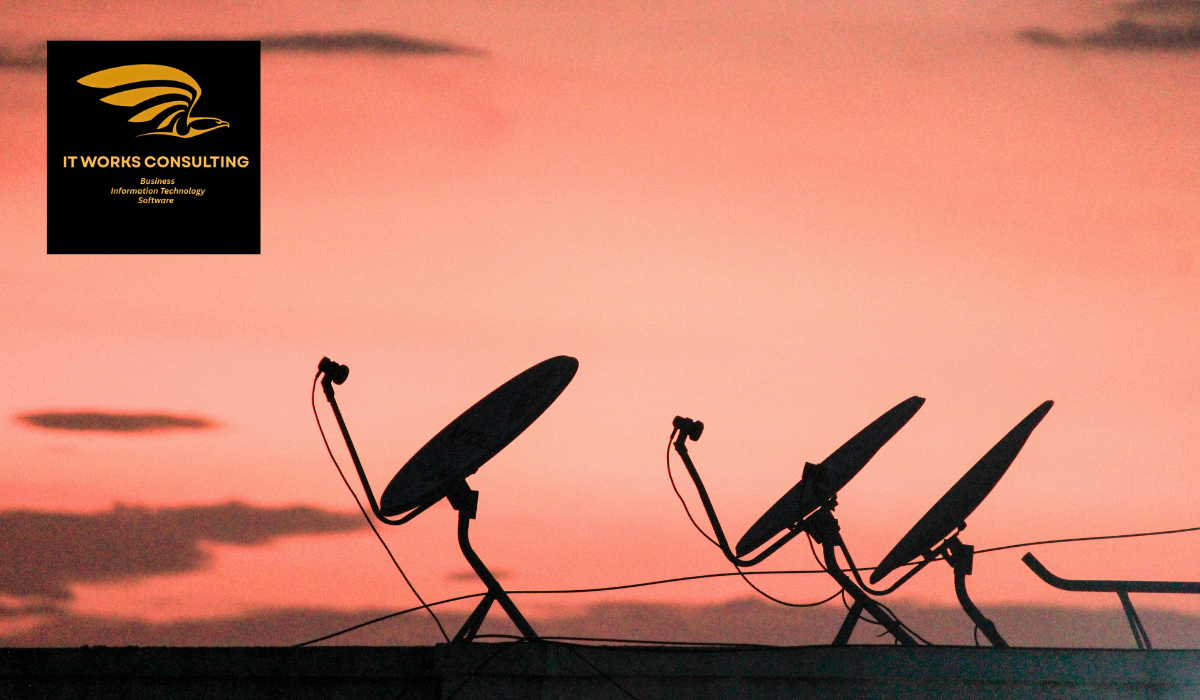
The telecommunication industry is one of the foundational pillars of the modern global economy. It enables the transmission of information across vast distances through electronic means, connecting people, businesses, governments, and machines in real time. From simple voice calls to high-speed internet, satellite communications, and emerging technologies like 5G and the Internet of Things (IoT), telecommunications has transformed how societies function, communicate, and grow.
At its core, the telecommunication industry revolves around the exchange of data—whether in the form of voice, text, images, or video—through various transmission mediums such as wired networks, wireless systems, and satellites. Over the past few decades, the industry has evolved from traditional landline systems to complex digital ecosystems powered by advanced technologies and global infrastructure.
This article provides a comprehensive understanding of the telecommunication industry, including its definition, scope, key components, technologies, value chain, importance, challenges, and future trends.
Definition of the Telecommunication Industry
The telecommunication industry refers to the sector that provides services and infrastructure for transmitting information over distances using electronic signals. These services include voice communication, data transmission, internet connectivity, and multimedia services.
In simple terms, it is the industry that makes communication possible across cities, countries, and continents through various technologies such as:
- Telephone networks
- Mobile networks
- Internet services
- Satellite communication
- Cable and fiber-optic systems
The industry includes companies that build, operate, and maintain communication networks, as well as those that provide services to end users.
Evolution of the Telecommunication Industry
Early Beginnings
The origins of telecommunications can be traced back to the invention of the telegraph in the 19th century, which allowed messages to be transmitted over wires using electrical signals. This was followed by the invention of the telephone, which revolutionized communication by enabling voice transmission.
Analog to Digital Transition
Initially, communication systems were analog-based. However, with the advancement of technology, the industry transitioned to digital systems, which offered better quality, efficiency, and scalability.
Rise of the Internet
The emergence of the internet in the late 20th century marked a turning point. Telecommunications expanded beyond voice communication to include data services, email, and web-based applications.
Mobile Revolution
The introduction of mobile networks transformed the industry. From 2G (voice and SMS) to 3G (data services), 4G (high-speed internet), and now 5G (ultra-fast connectivity), mobile communication has become the dominant mode of telecommunication.
Scope of the Telecommunication Industry
The telecommunication industry has a vast scope, covering multiple services and technologies that support global communication.
1. Voice Communication
This includes traditional landline services and mobile voice calls. Although declining in some regions due to internet-based communication, voice services remain essential.
2. Data and Internet Services
Internet connectivity is one of the most significant aspects of modern telecommunications. It supports:
- Web browsing
- Email communication
- Streaming services
- Cloud computing
- Online gaming
3. Wireless Communication
Wireless technologies such as mobile networks and Wi-Fi enable communication without physical connections, making mobility and flexibility possible.
4. Satellite Communication
Satellites play a crucial role in global communication, especially in remote and rural areas where terrestrial infrastructure is limited.
5. Broadcasting Services
Telecommunications also includes television and radio broadcasting, delivering content to millions of users simultaneously.
6. Enterprise Communication Solutions
Businesses rely on telecommunications for:
- Unified communications
- Video conferencing
- Data centers
- Virtual private networks (VPNs)
Key Components of the Telecommunication Industry
1. Infrastructure
Infrastructure forms the backbone of the industry and includes:
- Fiber-optic cables
- Mobile towers
- Data centers
- Submarine cables
- Satellites
2. Network Operators
These are companies that operate communication networks and provide services to customers. They manage the infrastructure and ensure connectivity.
3. Service Providers
Service providers offer various communication services such as mobile plans, broadband internet, and enterprise solutions.
4. Equipment Manufacturers
These companies produce hardware used in telecommunications, including:
- Routers
- Switches
- Base stations
- Smartphones
5. Software and Technology Providers
Software plays a critical role in managing networks, enabling communication, and delivering services.
Telecommunication Technologies
1. Fiber Optics
Fiber-optic technology uses light signals to transmit data at high speeds over long distances. It is the backbone of modern internet infrastructure.
2. Wireless Technologies
Wireless communication includes:
- Cellular networks (2G, 3G, 4G, 5G)
- Wi-Fi
- Bluetooth
3. Satellite Communication
Satellites enable communication in remote areas and support services like GPS, broadcasting, and global internet coverage.
4. Internet Protocol (IP)
Modern telecommunications rely on IP-based networks, which allow different types of data to be transmitted over a single network.
5. Cloud and Virtualization
Cloud computing and network virtualization have transformed how telecom services are delivered, making networks more flexible and scalable.
Telecommunication Industry Value Chain
The telecommunication industry operates through a structured value chain involving multiple stages:
1. Network Infrastructure Development
This involves building physical infrastructure such as cables, towers, and data centers.
2. Network Operation
Operators manage and maintain networks to ensure reliable communication services.
3. Service Delivery
Services such as voice, data, and multimedia are delivered to end users.
4. Customer Support
Customer service ensures user satisfaction and resolves technical issues.
5. Billing and Revenue Management
Telecom companies generate revenue through subscription plans, usage charges, and value-added services.
Importance of the Telecommunication Industry
1. Economic Growth
Telecommunications plays a crucial role in economic development by enabling business operations, trade, and innovation.
2. Digital Transformation
The industry is a key driver of digital transformation, supporting technologies like:
- Artificial Intelligence
- Cloud computing
- Big data
- IoT
3. Social Connectivity
Telecommunications connects people across the world, enabling communication and collaboration.
4. Education and Healthcare
It supports online education, telemedicine, and remote learning, especially in underserved areas.
5. Government and Public Services
Governments rely on telecommunications for:
- Public administration
- Emergency services
- E-governance
Key Segments of the Telecommunication Industry
1. Fixed-Line Telecommunication
This includes traditional landline services and broadband connections.
2. Mobile Communication
Mobile networks are the largest segment, offering voice and data services through smartphones.
3. Internet Service Providers (ISPs)
ISPs provide internet connectivity to households and businesses.
4. Satellite Communication
This segment supports global communication, broadcasting, and navigation systems.
5. Telecom Equipment and Services
This includes manufacturing and maintenance of telecom hardware and software.
Challenges in the Telecommunication Industry
1. High Infrastructure Costs
Building and maintaining telecom infrastructure requires significant investment.
2. Regulatory Issues
Telecom companies must comply with government regulations, licensing requirements, and spectrum allocation policies.
3. Rapid Technological Changes
The industry must continuously adapt to new technologies, which can be costly and complex.
4. Cybersecurity Threats
As networks become more digital, they are increasingly vulnerable to cyberattacks.
5. Intense Competition
The telecom market is highly competitive, leading to pricing pressures and reduced profit margins.
Emerging Trends in the Telecommunication Industry
1. 5G Technology
5G offers faster speeds, lower latency, and greater capacity, enabling advanced applications like autonomous vehicles and smart cities.
2. Internet of Things (IoT)
IoT connects devices and systems, allowing them to communicate and share data.
3. Artificial Intelligence (AI)
AI is used to optimize networks, improve customer service, and enhance security.
4. Edge Computing
Edge computing brings data processing closer to the source, reducing latency and improving performance.
5. Satellite Internet
New satellite technologies are expanding internet access to remote areas.
6. Network Virtualization
Virtualized networks are more flexible, scalable, and cost-effective.
Role of Telecommunications in Modern Society
The telecommunication industry is deeply integrated into everyday life. It enables:
- Remote work and collaboration
- Online entertainment and streaming
- E-commerce and digital payments
- Social media and communication platforms
Without telecommunications, many aspects of modern life would not be possible.
Future of the Telecommunication Industry
The future of the telecommunication industry is driven by innovation and increasing demand for connectivity. Key developments include:
- Expansion of 5G and future 6G networks
- Growth of smart cities and connected infrastructure
- Increased adoption of AI-driven networks
- Enhanced cybersecurity measures
- Greater focus on sustainability and energy efficiency
As digital transformation continues, telecommunications will play an even more critical role in shaping the global economy and society.
Conclusion
The telecommunication industry is a vital component of the modern world, enabling communication, connectivity, and technological advancement. From its origins in telegraph systems to the sophisticated digital networks of today, the industry has undergone remarkable transformation.
With its vast scope encompassing voice, data, internet, and emerging technologies, telecommunications continues to drive economic growth, innovation, and social connectivity. Despite challenges such as high costs, regulatory complexities, and cybersecurity risks, the industry remains resilient and adaptive.
Looking ahead, advancements in 5G, IoT, AI, and satellite communication will further revolutionize telecommunications, making connectivity faster, smarter, and more accessible than ever before. As a result, the telecommunication industry will continue to be a cornerstone of global development in the years to come.
-
May 28, 2026 How to Connect a Domain to Your Linux Server
-
May 28, 2026 How to Install WordPress on Linux Hosting
-
May 28, 2026 How to Install WordPress on Linux Hosting
-
May 28, 2026 How to Install WordPress on Linux Hosting