
 English











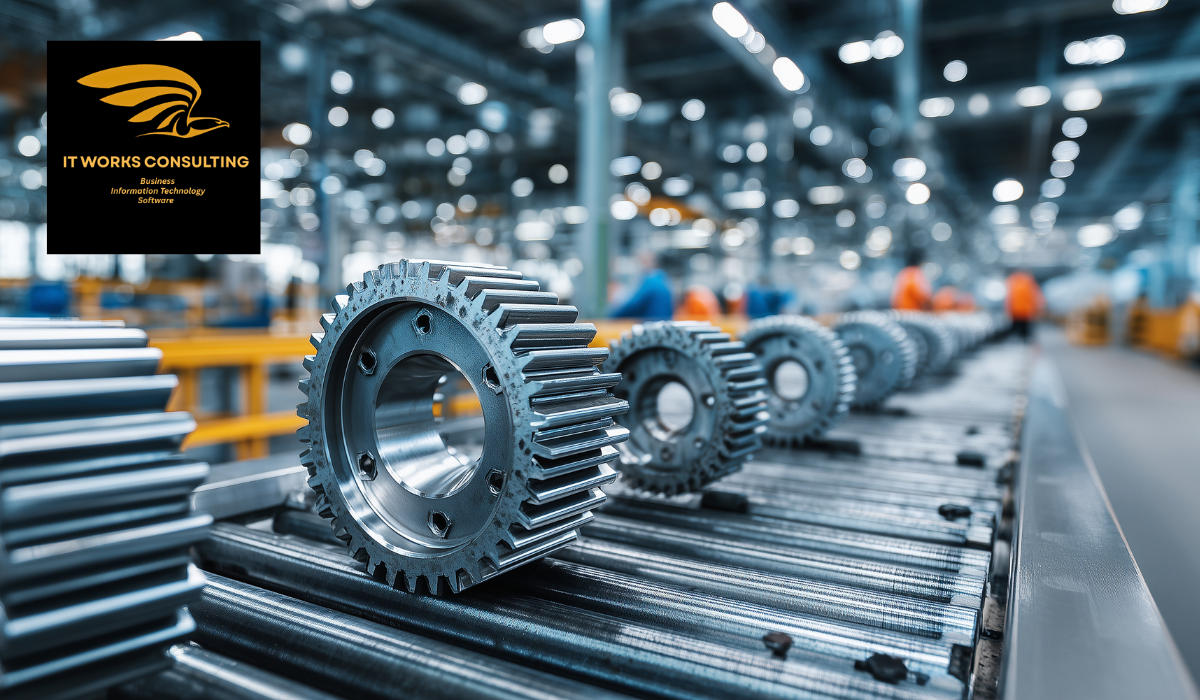
The automotive industry is one of the most influential and complex sectors in the global economy. It touches nearly every aspect of modern life—transportation, trade, employment, technology, and even culture. From personal vehicles to commercial trucks and emerging electric mobility solutions, the industry plays a central role in enabling mobility and economic development worldwide.
Over the past century, the automotive sector has evolved from a mechanical manufacturing domain into a highly sophisticated, technology-driven ecosystem. Today, it integrates advanced electronics, artificial intelligence, sustainability initiatives, and global supply chains. Understanding what the automotive industry is, how it is structured, and how it operates is essential for businesses, policymakers, investors, and consumers alike.
This article provides a comprehensive overview of the automotive industry, including its meaning, structure, key segments, value chain, and real-world examples.
1. Meaning of the Automotive Industry
The automotive industry refers to the collection of companies and organizations involved in the design, development, manufacturing, marketing, and selling of motor vehicles. These vehicles include:
- Passenger cars
- Commercial vehicles (trucks, buses, vans)
- Two-wheelers and three-wheelers (in many markets)
- Electric and hybrid vehicles
Key Characteristics
-
Capital Intensive
Automotive manufacturing requires significant investment in machinery, plants, R&D, and supply chains. -
Technology-Driven
Modern vehicles incorporate advanced technologies such as sensors, connectivity systems, and autonomous driving capabilities. -
Globalized Operations
The industry operates across borders, with components sourced globally and vehicles sold in international markets. -
Highly Regulated
Governments impose strict regulations related to safety, emissions, fuel efficiency, and environmental impact. -
Cyclical Nature
Demand for vehicles is closely tied to economic conditions, making the industry sensitive to economic cycles.
2. Evolution of the Automotive Industry
Early Stage (Late 19th – Early 20th Century)
- Emergence of internal combustion engine vehicles
- Limited production and high costs
- Vehicles considered luxury items
Mass Production Era
- Introduction of assembly line manufacturing
- Standardization and cost reduction
- Expansion of vehicle ownership
Global Expansion Phase
- Growth of multinational automotive companies
- Development of international supply chains
- Increased competition
Modern Era
- Focus on fuel efficiency and emissions
- Integration of digital technologies
- Rise of electric vehicles (EVs) and autonomous driving
Future Trends
- Electrification
- Shared mobility
- Connected and autonomous vehicles
- Sustainable manufacturing
3. Structure of the Automotive Industry
The automotive industry is structured as a multi-layered ecosystem consisting of manufacturers, suppliers, distributors, and service providers.
3.1 Original Equipment Manufacturers (OEMs)
OEMs are the companies that design and manufacture vehicles. They assemble vehicles using components sourced from various suppliers.
Examples of OEM functions:
- Vehicle design and engineering
- Branding and marketing
- Final assembly
- Quality control
OEMs are the most visible part of the automotive industry and often represent well-known brands.
3.2 Automotive Suppliers
Suppliers provide components and systems used in vehicle manufacturing. They are categorized into tiers:
Tier 1 Suppliers
- Direct suppliers to OEMs
- Provide complete systems (e.g., braking systems, infotainment systems)
Tier 2 Suppliers
- Supply components to Tier 1 suppliers
- Produce parts like chips, sensors, and subassemblies
Tier 3 Suppliers
- Provide raw materials such as steel, aluminum, rubber, and plastics
3.3 Distribution and Dealership Network
Once vehicles are manufactured, they are distributed through dealer networks.
Key functions:
- Sales of vehicles
- Customer engagement
- Financing and insurance services
- After-sales support
3.4 Aftermarket and Services
The aftermarket includes services and products required after a vehicle is sold.
Components:
- Spare parts
- Maintenance and repair services
- Accessories
- Tire replacements
The aftermarket is a significant revenue stream and continues throughout the vehicle lifecycle.
3.5 Mobility and Technology Providers
With the rise of digital transformation, new players have entered the ecosystem:
- Ride-sharing platforms
- Autonomous driving technology firms
- Battery and energy solution providers
- Software and connectivity service companies
4. Key Segments of the Automotive Industry
The automotive industry can be divided into several segments based on vehicle type and usage.
4.1 Passenger Vehicles
These include cars designed primarily for personal use:
- Hatchbacks
- Sedans
- SUVs (Sport Utility Vehicles)
- Luxury vehicles
This segment is the largest and most competitive globally.
4.2 Commercial Vehicles
Commercial vehicles are used for transporting goods and passengers:
- Light Commercial Vehicles (LCVs)
- Heavy Commercial Vehicles (HCVs)
- Buses and coaches
This segment is closely linked to economic activity, logistics, and infrastructure development.
4.3 Electric Vehicles (EVs)
Electric vehicles are powered by electric motors instead of internal combustion engines.
Types:
- Battery Electric Vehicles (BEVs)
- Plug-in Hybrid Electric Vehicles (PHEVs)
- Hybrid Electric Vehicles (HEVs)
EVs are gaining traction due to environmental concerns and government incentives.
4.4 Two-Wheelers and Three-Wheelers
In many emerging markets, two-wheelers (motorcycles, scooters) and three-wheelers (auto-rickshaws) are critical for mobility.
4.5 Autonomous and Connected Vehicles
This emerging segment focuses on:
- Self-driving technologies
- Vehicle-to-vehicle (V2V) communication
- Internet-connected vehicles
5. Automotive Industry Value Chain
The automotive value chain represents the entire lifecycle of a vehicle from concept to disposal.
5.1 Research and Development (R&D)
- Design and engineering of vehicles
- Testing and prototyping
- Development of new technologies
R&D is crucial for innovation, safety, and compliance.
5.2 Sourcing and Procurement
- Selection of suppliers
- Procurement of raw materials and components
- Cost optimization and supplier management
5.3 Manufacturing and Assembly
- Production of components
- Assembly of vehicles
- Quality assurance
Manufacturing involves advanced technologies such as robotics and automation.
5.4 Distribution and Sales
- Logistics and transportation
- Dealer networks
- Marketing and promotions
5.5 After-Sales Services
- Maintenance and repairs
- Spare parts supply
- Customer support
5.6 End-of-Life and Recycling
- Vehicle scrappage
- Recycling of materials
- Environmental compliance
6. Key Technologies Shaping the Automotive Industry
6.1 Electrification
- Shift from fossil fuels to electric power
- Development of battery technologies
- Charging infrastructure expansion
6.2 Autonomous Driving
- Use of sensors, cameras, and AI
- Reduction in human intervention
- Enhanced safety features
6.3 Connectivity
- Internet-enabled vehicles
- Real-time data exchange
- Smart navigation and infotainment systems
6.4 Advanced Manufacturing
- Robotics and automation
- 3D printing
- Smart factories (Industry 4.0)
6.5 Sustainability
- Reduction in carbon emissions
- Use of eco-friendly materials
- Circular economy initiatives
7. Challenges in the Automotive Industry
7.1 Supply Chain Disruptions
Global supply chains are vulnerable to geopolitical tensions, pandemics, and raw material shortages.
7.2 Regulatory Compliance
Strict emission and safety standards increase costs and complexity.
7.3 Technological Disruption
Rapid innovation requires continuous investment and adaptation.
7.4 Competition
Intense competition from traditional players and new entrants such as tech companies.
7.5 Consumer Preferences
Changing preferences toward sustainability, digital features, and shared mobility.
8. Opportunities in the Automotive Industry
8.1 Growth of Electric Vehicles
Rising demand for EVs presents opportunities for manufacturers and suppliers.
8.2 Emerging Markets
Developing countries offer significant growth potential due to rising incomes and urbanization.
8.3 Digital Transformation
Integration of software, AI, and data analytics enhances customer experience and operational efficiency.
8.4 Mobility Services
Ride-sharing and subscription-based models create new revenue streams.
9. Real-World Examples
Example 1: Passenger Car Manufacturing
A car manufacturer designs a new sedan, sources components from global suppliers, assembles the vehicle in a factory, and sells it through dealerships. The customer later uses service centers for maintenance.
Example 2: Electric Vehicle Ecosystem
An EV company develops battery technology, partners with charging infrastructure providers, and integrates software for smart features. The vehicle operates with minimal emissions and requires specialized maintenance.
Example 3: Commercial Vehicle Logistics
A logistics company uses heavy trucks to transport goods across regions. The vehicles are maintained regularly, and spare parts are sourced from aftermarket suppliers.
Example 4: Ride-Sharing Platforms
A mobility platform connects drivers and passengers through a mobile app, reducing the need for individual car ownership.
10. Global Importance of the Automotive Industry
The automotive industry is a major contributor to economic growth:
- Generates millions of jobs worldwide
- Drives innovation and technological advancement
- Contributes significantly to GDP in many countries
- Supports related industries such as steel, electronics, and energy
11. Future Outlook
The automotive industry is undergoing a transformative shift. The future will be shaped by:
- Fully electric vehicle fleets
- Autonomous transportation systems
- Smart cities and integrated mobility solutions
- Sustainable manufacturing practices
Companies that adapt to these changes will thrive, while those that resist transformation may struggle.
Conclusion
The automotive industry is far more than just car manufacturing—it is a dynamic and interconnected ecosystem that influences economies, technologies, and societies worldwide. From its early days of mechanical innovation to its current state of digital transformation, the industry continues to evolve rapidly.
Understanding its meaning, structure, and key components provides valuable insights into how vehicles are designed, produced, and delivered to consumers. As the world moves toward sustainability, electrification, and smarter mobility solutions, the automotive industry will remain at the forefront of innovation and economic progress.
Whether you are a business professional, student, or enthusiast, keeping an eye on this industry offers a window into the future of mobility and technology.
-
May 28, 2026 How to Connect a Domain to Your Linux Server
-
May 28, 2026 How to Install WordPress on Linux Hosting
-
May 28, 2026 How to Install WordPress on Linux Hosting
-
May 28, 2026 How to Install WordPress on Linux Hosting