
 English











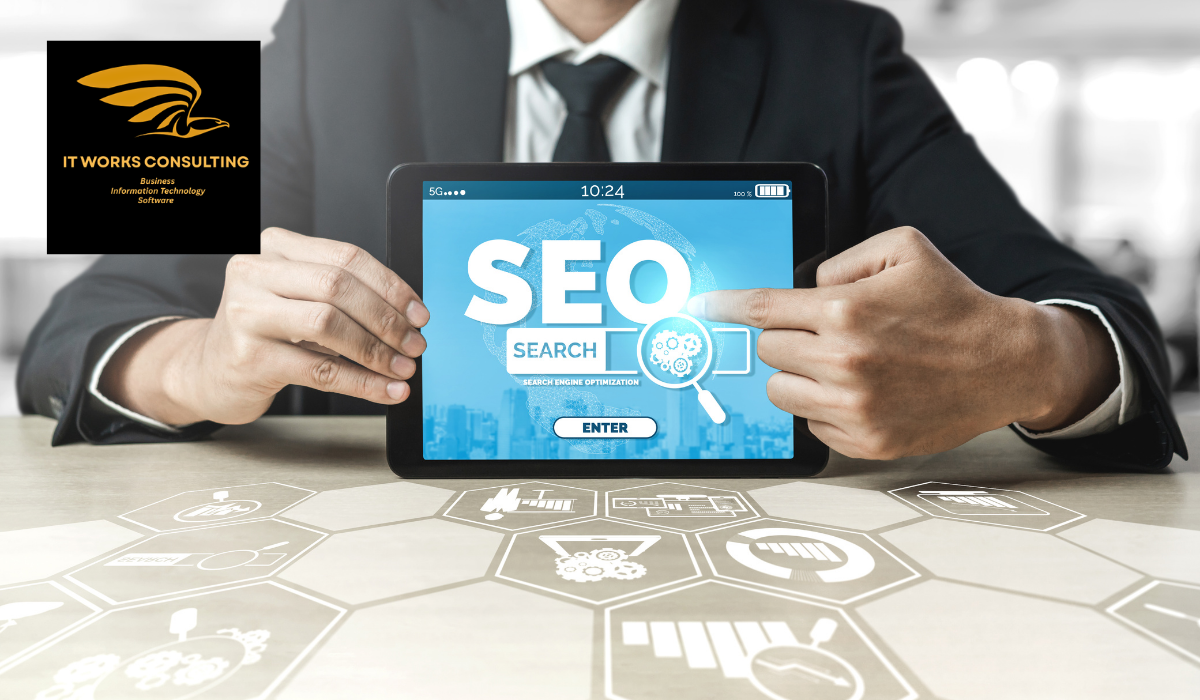
In today’s digital-first world, most customers begin their buying journey online. Whether they are searching for a nearby restaurant, comparing software tools, or researching a service provider, the first place they go is a search engine. For business owners, this means one thing: if your business doesn’t appear in search results, potential customers may never find you.
This is where SEO comes in.
Search Engine Optimization, commonly known as SEO, is the practice of improving your website so that it appears higher in search engine results when people search for products, services, or information related to your business. In 2026, SEO has evolved significantly from what it was a decade ago, but its core purpose remains the same: helping the right customers find your business online.
This article explains SEO in simple terms for business owners, how it works today, and why it is essential for business growth.
Understanding SEO in Simple Terms
SEO is the process of making your website easier for search engines to understand and recommend to users.
Search engines like Google scan billions of webpages and decide which ones best answer a user’s question. SEO helps your website become one of those recommended pages.
Think of search engines as a digital marketplace with millions of shops. If your shop is hidden in the back alley, customers won’t see it. SEO helps move your shop to the main street where customers are actively looking.
For example, if someone searches for:
-
“best accounting software for small businesses”
-
“local bakery near me”
-
“digital marketing agency for startups”
SEO helps your website appear in those results.
When your site ranks higher, more people visit it. More visitors often lead to more leads, inquiries, and sales.
Why SEO Matters More Than Ever in 2026
The internet has become extremely competitive. Millions of businesses are trying to reach the same audience. Paid advertising can work, but it stops the moment you stop spending.
SEO, on the other hand, provides long-term visibility.
Here are some reasons why SEO is crucial for business owners today.
1. Customers Start With Search
Most buying decisions start with a search query. People research before they purchase. If your business appears during this research stage, you have a major advantage.
2. Organic Traffic Is Highly Targeted
SEO brings people who are actively searching for what you offer. These visitors already have intent, which makes them more likely to convert into customers.
3. SEO Builds Trust and Authority
Websites that rank high in search results are often seen as more credible and trustworthy. Strong SEO signals to both search engines and users that your business is reliable.
4. It Reduces Dependence on Paid Ads
Paid ads are useful but expensive. SEO helps generate consistent traffic without paying for every click.
How SEO Works in 2026
Search engines use complex algorithms to determine which pages appear in results. These algorithms evaluate hundreds of factors.
However, most of these factors fall into three main categories:
-
Content
-
Technical performance
-
Authority and trust
Understanding these categories helps business owners understand how SEO works.
1. Content: The Foundation of SEO
Content remains the most important part of SEO.
Search engines want to show users the most helpful and relevant information. If your content answers questions better than competitors, it has a higher chance of ranking.
In 2026, good SEO content must:
-
Solve real problems
-
Be easy to read
-
Provide clear information
-
Match what people are searching for
For example, if someone searches “how to choose accounting software,” a good article should explain the decision process, features to look for, pricing considerations, and recommendations.
Content formats that perform well include:
-
Blog articles
-
Guides
-
FAQs
-
Case studies
-
Product pages
-
Videos
-
Tutorials
Business owners should focus on creating helpful resources rather than simply promoting their services.
2. Technical SEO: Making Your Website Easy to Use
Technical SEO ensures that search engines can properly access and understand your website.
Even great content may not rank if the website has technical issues.
Important technical factors include:
Website Speed
Slow websites create a poor user experience. Search engines prefer fast-loading pages.
Mobile Optimization
Most users browse on mobile devices. Websites must be responsive and mobile-friendly.
Secure Connections
Secure websites using HTTPS are preferred by search engines and users.
Structured Data
Structured data helps search engines better understand your content and may enable enhanced search results such as rich snippets.
Site Structure
A well-organized website helps search engines crawl pages efficiently and helps users navigate easily.
In 2026, user experience and technical performance are closely linked to SEO success.
3. Authority: Building Trust Online
Search engines want to recommend trustworthy websites.
Authority is built when other reputable websites link to your content or mention your brand.
These signals tell search engines that your website is credible and valuable.
Authority is often built through:
-
Backlinks from trusted websites
-
Media mentions
-
Industry partnerships
-
High-quality content that others reference
For example, if a respected business publication links to your article, it increases your site’s credibility.
However, modern SEO focuses on quality rather than quantity. A few strong links from authoritative sites are far more valuable than hundreds of low-quality links.
The Role of AI in SEO in 2026
Artificial intelligence now plays a major role in how search engines understand content.
Search engines no longer rely only on keywords. They analyze context, meaning, and user intent.
This means businesses must focus on creating genuinely useful content rather than trying to manipulate rankings.
AI also affects how users search. Many people now use:
-
Voice search
-
Conversational queries
-
AI-generated summaries
For example, instead of typing “CRM software benefits,” users might ask:
“What CRM is best for a small business with under 10 employees?”
SEO strategies must adapt to these natural language queries.
Local SEO for Small Businesses
Local SEO is particularly important for businesses that serve a specific geographic area.
If someone searches for:
-
“dentist near me”
-
“coffee shop in Kolkata”
-
“plumber in my area”
Search engines show nearby businesses.
To improve local SEO, businesses should:
-
Maintain an accurate business profile
-
Collect customer reviews
-
Use location-specific keywords
-
Ensure consistent contact information across the web
Local visibility can drive significant foot traffic and local inquiries.
SEO vs Paid Advertising
Many business owners ask whether they should invest in SEO or paid ads.
Both strategies have benefits.
Paid Ads
Paid advertising provides immediate visibility. Businesses can appear at the top of search results instantly by paying for clicks.
However, traffic stops once the advertising budget runs out.
SEO
SEO takes time to build results but provides sustainable, long-term traffic.
Once your pages rank well, they can continue bringing visitors for months or even years.
Most successful businesses combine both strategies: using ads for quick results and SEO for long-term growth.
Common SEO Mistakes Business Owners Make
Despite its importance, many businesses misunderstand SEO.
Here are some common mistakes.
Focusing Only on Keywords
While keywords are important, SEO is no longer about repeating the same phrases many times. Modern algorithms prioritize relevance and usefulness.
Ignoring User Experience
If visitors leave your site quickly because it’s slow or confusing, rankings may suffer.
Publishing Thin Content
Short, low-quality content rarely ranks well. Search engines favor in-depth resources that fully answer questions.
Expecting Instant Results
SEO takes time. Most strategies require several months before significant improvements appear.
Neglecting Content Updates
Information becomes outdated quickly. Regular updates help maintain rankings.
How Business Owners Can Start with SEO
SEO may sound complex, but businesses can start with a few practical steps.
1. Understand Your Customers’ Questions
Think about what potential customers search for before buying your product or service.
Create content that answers those questions.
2. Improve Website Quality
Ensure your website loads quickly, works well on mobile devices, and is easy to navigate.
3. Create Helpful Content Regularly
Publishing helpful articles, guides, and resources improves visibility over time.
4. Build Credibility
Encourage satisfied customers to leave reviews and collaborate with reputable partners.
5. Monitor Performance
Track traffic, rankings, and conversions to understand what works.
The Future of SEO
SEO will continue evolving as technology changes.
Several trends are shaping the future:
-
AI-driven search results
-
Voice and conversational search
-
Visual search
-
Personalized search experiences
-
Greater emphasis on expertise and trust
Businesses that focus on providing real value to users will continue to benefit from SEO, regardless of algorithm changes.
Final Thoughts
SEO in 2026 is no longer just a technical marketing tactic. It is a fundamental part of digital business strategy.
For business owners, SEO means making your website the best possible answer to your customers’ questions. When done correctly, it increases visibility, builds trust, and attracts highly targeted customers.
Although SEO requires patience and consistent effort, the long-term benefits can be substantial. Businesses that invest in high-quality content, strong user experience, and credible online presence will be best positioned to succeed in the modern search landscape.
In a world where customers rely on search engines to discover solutions, SEO is not optional—it is essential.
-
May 28, 2026 How to Connect a Domain to Your Linux Server
-
May 28, 2026 How to Install WordPress on Linux Hosting
-
May 28, 2026 How to Install WordPress on Linux Hosting
-
May 28, 2026 How to Install WordPress on Linux Hosting