
 English









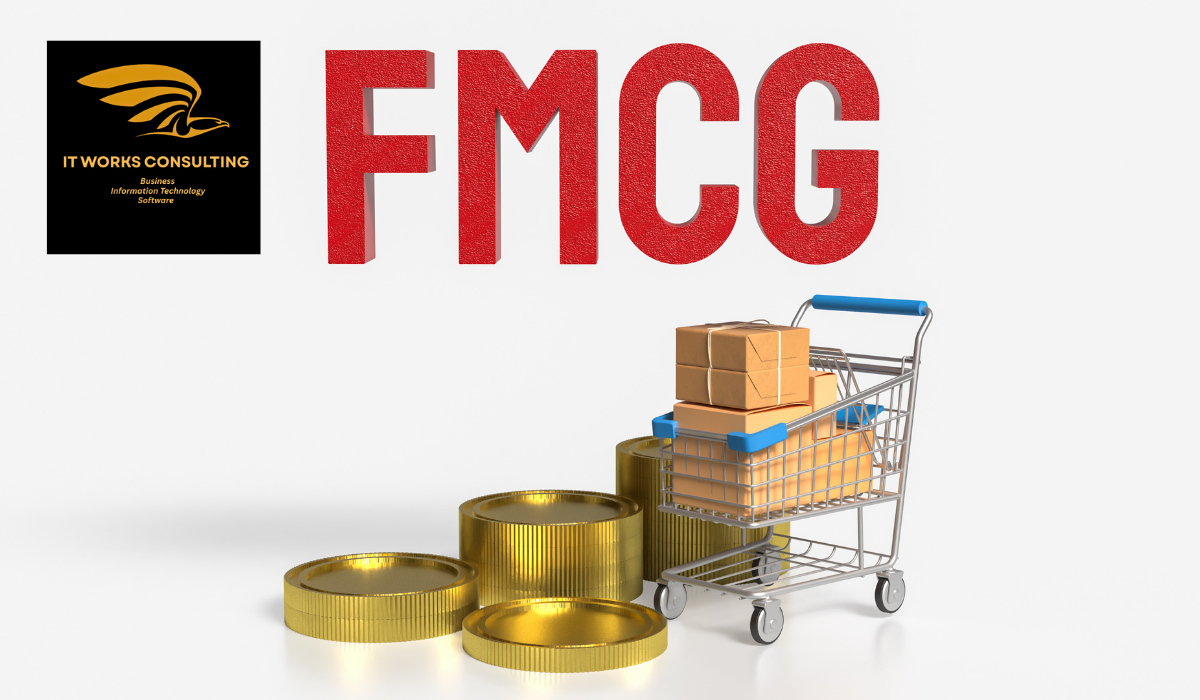
The Fast-Moving Consumer Goods (FMCG) industry is one of the most dynamic, resilient, and essential sectors of the global economy. It encompasses a wide range of everyday products that consumers purchase frequently, such as food, beverages, personal care items, household products, and over-the-counter medicines. From a bar of soap to packaged snacks and cleaning supplies, FMCG products are integral to daily life.
This guide provides a comprehensive overview of the FMCG industry, including its structure, key segments, business models, supply chains, emerging trends, challenges, and future outlook. Whether you are a student, business professional, or entrepreneur, this article will help you understand how the FMCG industry operates and evolves.
What Is the FMCG Industry?
FMCG stands for Fast-Moving Consumer Goods, also known as Consumer Packaged Goods (CPG). These products are characterized by:
- High volume sales
- Low cost per unit
- Quick consumption and replacement
- Short shelf life (in some cases)
- Strong brand competition
Examples include:
- Packaged foods (biscuits, noodles, dairy)
- Beverages (soft drinks, juices, bottled water)
- Personal care (soap, shampoo, toothpaste)
- Household products (detergents, cleaners)
Major global FMCG companies include Unilever, Procter & Gamble, Nestlé, and PepsiCo.
Key Segments of the FMCG Industry
1. Food and Beverages
This is the largest segment of the FMCG industry, covering:
- Packaged foods (snacks, ready-to-eat meals)
- Dairy products
- Bakery items
- Soft drinks and bottled beverages
Companies like Nestlé and PepsiCo dominate this space globally.
Key trends:
- Health-conscious products (low sugar, organic)
- Plant-based alternatives
- Functional foods (added nutrients, probiotics)
2. Personal Care and Cosmetics
Includes products used for hygiene, grooming, and beauty:
- Soaps, shampoos, conditioners
- Skincare and cosmetics
- Oral care products
Brands under Unilever and Procter & Gamble lead in this category.
Key trends:
- Natural and organic ingredients
- Premiumization
- Male grooming products
3. Household Care
This segment includes:
- Detergents and fabric softeners
- Surface cleaners and disinfectants
- Air fresheners
Key trends:
- Eco-friendly products
- Concentrated formulas
- Refillable packaging
4. Health and Wellness
Includes over-the-counter medicines, vitamins, and supplements.
Key trends:
- Preventive healthcare
- Immunity-boosting products
- Digital health integration
Characteristics of the FMCG Industry
1. High Volume, Low Margin
FMCG companies rely on selling large quantities at relatively low profit margins per unit. Efficiency and scale are critical for profitability.
2. Strong Distribution Networks
A wide and efficient distribution network is essential to ensure product availability across urban and rural markets.
3. Brand Loyalty and Marketing
Consumers often stick to trusted brands, making branding and advertising crucial.
4. Rapid Inventory Turnover
Products move quickly through the supply chain, requiring efficient logistics and inventory management.
FMCG Value Chain
The FMCG value chain consists of several interconnected stages:
1. Raw Material Procurement
Companies source raw materials such as agricultural produce, chemicals, and packaging materials.
2. Manufacturing
Products are produced in large-scale manufacturing facilities using automated processes.
3. Packaging
Packaging plays a critical role in branding, protection, and shelf appeal.
4. Distribution
Products are distributed through wholesalers, retailers, and increasingly, e-commerce platforms.
5. Retail
Final sales occur through:
- Supermarkets and hypermarkets
- Convenience stores
- Online platforms
6. Consumer
The end-user consumes the product, completing the cycle.
Business Models in the FMCG Industry
1. Mass Market Model
Focuses on affordable products for a large consumer base. This is the most common FMCG model.
2. Premium Model
Targets higher-income consumers with premium, high-quality products.
3. Private Label Model
Retailers sell products under their own brand names, often at lower prices.
4. Direct-to-Consumer (D2C)
Brands sell directly to consumers through online platforms, bypassing intermediaries.
Distribution Channels
Traditional Trade
- Small retail shops (kirana stores in India)
- Wholesale markets
Modern Trade
- Supermarkets and hypermarkets
- Organized retail chains
E-commerce
Platforms like Amazon and Flipkart are transforming FMCG distribution.
Quick Commerce
Rapid delivery services (10–30 minutes) are reshaping urban consumption patterns.
Role of Technology in FMCG
1. Supply Chain Optimization
Technologies like AI and IoT help forecast demand, optimize inventory, and reduce waste.
2. Data Analytics
Companies analyze consumer behavior to personalize marketing and improve product offerings.
3. Automation
Manufacturing processes are increasingly automated for efficiency and cost reduction.
4. Digital Marketing
Social media platforms enable targeted advertising and brand engagement.
FMCG Industry in India
India is one of the fastest-growing FMCG markets globally.
Key Drivers:
- Rising disposable income
- Urbanization
- Expanding middle class
- Rural market penetration
Major Indian FMCG companies include:
- Hindustan Unilever Limited
- ITC Limited
- Dabur
- Godrej Consumer Products
Rural Market Importance
A significant portion of FMCG growth in India comes from rural areas, driven by increasing awareness and distribution expansion.
Key Trends Shaping the FMCG Industry (2026)
1. Health and Wellness Focus
Consumers are increasingly choosing healthier and more natural products.
2. Sustainability and ESG
Companies are adopting eco-friendly practices such as:
- Reducing plastic usage
- Sustainable sourcing
- Carbon footprint reduction
3. Premiumization
Consumers are willing to pay more for quality, convenience, and brand value.
4. Digital Transformation
From e-commerce to AI-driven analytics, digital tools are reshaping the industry.
5. Personalization
Customized products and targeted marketing are becoming more common.
6. Rise of D2C Brands
New-age brands are leveraging digital platforms to reach consumers directly.
Challenges in the FMCG Industry
1. Intense Competition
The FMCG market is highly competitive, with numerous brands vying for consumer attention.
2. Price Sensitivity
Consumers often switch brands based on price, especially in developing markets.
3. Supply Chain Disruptions
Global events can impact raw material availability and logistics.
4. Regulatory Compliance
Companies must comply with food safety, labeling, and environmental regulations.
5. Changing Consumer Preferences
Rapid shifts in consumer behavior require constant innovation.
Opportunities in the FMCG Industry
1. Emerging Markets
Countries like India and Southeast Asia offer significant growth potential.
2. Product Innovation
New product categories and formulations can drive growth.
3. Digital Channels
E-commerce and quick commerce present new revenue streams.
4. Sustainable Products
Eco-friendly products are gaining popularity among consumers.
Marketing Strategies in FMCG
1. Brand Building
Strong branding creates trust and loyalty.
2. Advertising
TV, digital platforms, and influencer marketing play key roles.
3. Promotions and Discounts
Price promotions help attract price-sensitive consumers.
4. Packaging Innovation
Attractive and functional packaging enhances product appeal.
Future of the FMCG Industry
The FMCG industry is expected to continue growing steadily, driven by innovation, digital transformation, and changing consumer preferences.
Key Future Trends:
- AI-driven supply chains
- Smart packaging
- Hyper-personalization
- Expansion of quick commerce
- Increased focus on sustainability
Companies that adapt to these trends will be better positioned for long-term success.
Conclusion
The FMCG industry is a cornerstone of the global economy, providing essential products that people use every day. Its fast-paced nature, combined with evolving consumer preferences and technological advancements, makes it one of the most exciting sectors to watch.
From global giants like Unilever and Procter & Gamble to emerging D2C brands, the industry continues to innovate and adapt. As sustainability, digitalization, and health-conscious consumption shape the future, the FMCG sector will remain a key driver of economic growth and consumer well-being.
-
May 28, 2026 How to Connect a Domain to Your Linux Server
-
May 28, 2026 How to Install WordPress on Linux Hosting
-
May 28, 2026 How to Install WordPress on Linux Hosting
-
May 28, 2026 How to Install WordPress on Linux Hosting