
 English











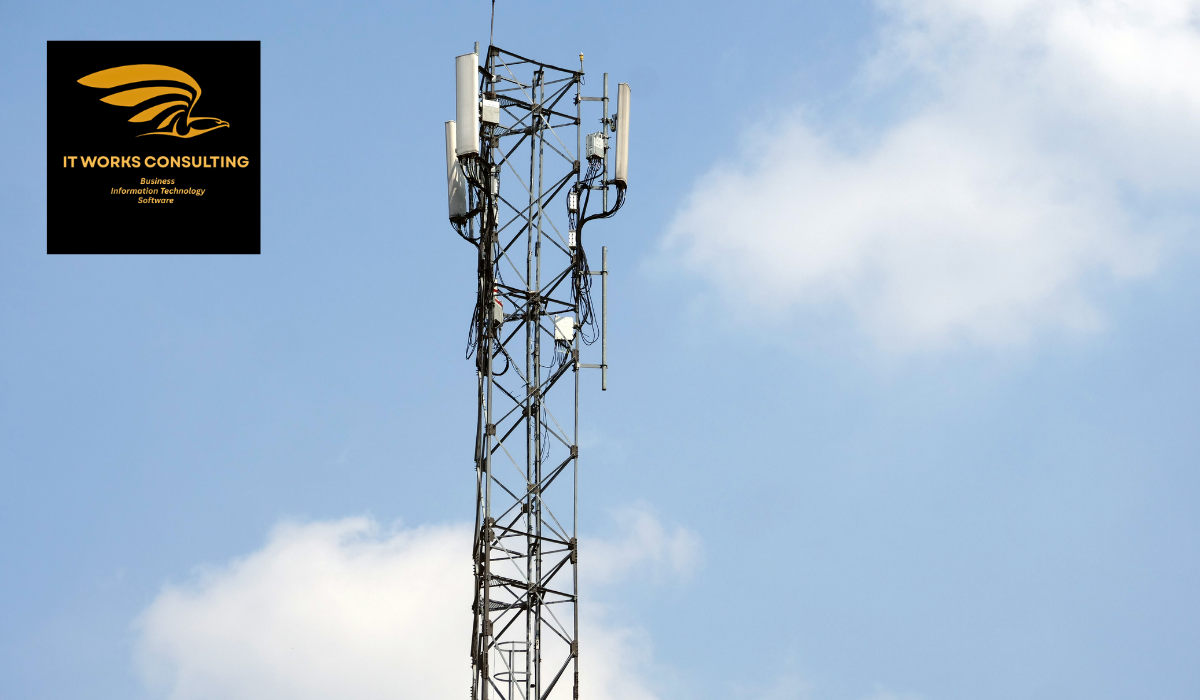
The digital economy has emerged as one of the most transformative forces shaping modern societies. It encompasses all economic activities that rely on digital technologies, including e-commerce, digital banking, cloud computing, artificial intelligence, and online services. At the heart of this transformation lies the telecommunications (telecom) industry, which provides the essential infrastructure and connectivity that make digital interactions possible.
Telecom is no longer just about voice calls and basic connectivity. It has evolved into a critical enabler of economic growth, innovation, and societal development. From powering mobile internet access in remote villages to supporting advanced technologies like 5G, Internet of Things (IoT), and edge computing, telecom forms the backbone of the digital economy.
This article explores the multifaceted role of telecom in the digital economy, examining its contributions to business, government, society, and future technological advancements.
Understanding the Digital Economy
The digital economy refers to an economy that is driven by digital technologies and data. It includes:
- Online commerce and marketplaces
- Digital financial services
- Cloud computing and data analytics
- Digital media and entertainment
- Smart infrastructure and IoT systems
In this ecosystem, data flows are as important as the flow of goods and services. Businesses rely on real-time communication, consumers expect instant access to services, and governments depend on digital platforms for governance.
None of this is possible without a robust telecom infrastructure.
Telecom as the Foundation of Connectivity
Enabling Universal Access
Telecom networks—both wired and wireless—provide the basic connectivity required for participation in the digital economy. Broadband networks, mobile networks, and satellite systems ensure that individuals and businesses can access the internet.
Key contributions include:
- Expanding internet penetration
- Connecting rural and underserved regions
- Supporting digital inclusion initiatives
Without telecom, the digital divide would widen, leaving large segments of the population excluded from economic opportunities.
Mobile Revolution and Digital Access
The widespread adoption of smartphones has been a game-changer. Telecom operators have enabled affordable mobile internet, making digital services accessible to billions of people worldwide.
Mobile connectivity supports:
- Digital payments
- Online education
- Telemedicine
- E-commerce
In many developing economies, mobile networks serve as the primary gateway to the internet.
Driving Economic Growth and Productivity
Boosting GDP and Employment
Telecom contributes directly and indirectly to economic growth. It creates jobs in network deployment, maintenance, and services, while also enabling other industries to grow.
Economic impacts include:
- Increased productivity through better communication
- Growth of digital startups and innovation ecosystems
- Expansion of global trade through digital platforms
Studies consistently show a strong correlation between broadband penetration and GDP growth.
Enabling Digital Businesses
Modern businesses rely heavily on telecom infrastructure. From small enterprises to multinational corporations, connectivity is essential for operations.
Telecom enables:
- Cloud-based business models
- Remote work and collaboration
- Real-time data analytics
- Global market access
Startups, in particular, benefit from telecom-enabled digital platforms that reduce entry barriers.
Supporting E-Commerce and Digital Platforms
Backbone of Online Marketplaces
E-commerce platforms depend entirely on telecom networks for:
- Website and app access
- Payment processing
- Logistics coordination
- Customer communication
Reliable and high-speed connectivity ensures seamless user experiences, which is critical for customer retention.
Enhancing Customer Experience
Telecom technologies enable:
- Faster page loading times
- Real-time customer support via chat and video
- Personalized recommendations through data analytics
High-quality connectivity directly impacts consumer satisfaction and business success.
Telecom and Financial Inclusion
Enabling Digital Payments
Telecom networks play a crucial role in the rise of digital financial services. Mobile connectivity enables:
- Mobile wallets
- Unified payment systems
- Online banking
These services are especially important in regions where traditional banking infrastructure is limited.
Empowering the Unbanked Population
Millions of people without access to formal banking systems can now participate in the economy through mobile-based financial services.
Benefits include:
- Secure transactions
- Access to credit and savings tools
- Financial independence
Telecom thus acts as a bridge between underserved populations and financial systems.
Powering Emerging Technologies
5G and Next-Generation Networks
The deployment of 5G networks represents a major leap in telecom capabilities. It offers:
- Ultra-high speeds
- Low latency
- Massive device connectivity
5G enables advanced applications such as:
- Autonomous vehicles
- Smart cities
- Augmented and virtual reality
- Industrial automation
Internet of Things (IoT)
Telecom networks connect billions of devices in the IoT ecosystem. These include:
- Smart home devices
- Industrial sensors
- Healthcare monitoring systems
- Agricultural technologies
IoT relies on reliable connectivity to collect and transmit data in real time.
Cloud and Edge Computing
Telecom infrastructure supports cloud computing by providing high-speed data transfer. Additionally, edge computing—processing data closer to the source—relies on telecom networks to reduce latency.
This is critical for:
- Real-time analytics
- Autonomous systems
- Mission-critical applications
Enabling Digital Transformation Across Industries
Healthcare
Telecom enables telemedicine and digital health solutions, allowing patients to consult doctors remotely. It supports:
- Remote diagnostics
- Health monitoring through wearable devices
- Electronic health records
This improves access to healthcare, especially in remote areas.
Education
Digital education platforms rely on telecom networks to deliver:
- Online classes
- E-learning resources
- Virtual classrooms
Telecom has made education more accessible and flexible, particularly during disruptions like pandemics.
Manufacturing and Industry
In the industrial sector, telecom supports:
- Smart factories
- Automation and robotics
- Supply chain optimization
Industrial IoT and 5G are transforming manufacturing processes, increasing efficiency and reducing costs.
Agriculture
Telecom enables precision agriculture through:
- Weather forecasting
- Soil monitoring
- Market price information
Farmers can make data-driven decisions, improving productivity and sustainability.
Telecom and Government Services
E-Governance
Governments use telecom infrastructure to deliver digital services to citizens, including:
- Online tax filing
- Digital identity systems
- Public service portals
This improves transparency, efficiency, and accessibility.
Smart Cities
Telecom is a key enabler of smart city initiatives, supporting:
- Intelligent transportation systems
- Smart energy grids
- Public safety solutions
These technologies enhance urban living and resource management.
Bridging the Digital Divide
Challenges of Inequality
Despite significant progress, gaps in connectivity still exist, particularly in rural and low-income regions.
Challenges include:
- High infrastructure costs
- Limited affordability
- Lack of digital literacy
Role of Telecom Providers
Telecom companies play a critical role in addressing these challenges by:
- Expanding network coverage
- Offering affordable data plans
- Partnering with governments and NGOs
Bridging the digital divide is essential for inclusive economic growth.
Cybersecurity and Data Privacy
Increasing Risks in the Digital Economy
As digital activities grow, so do cybersecurity threats. Telecom networks must ensure:
- Secure data transmission
- Protection against cyberattacks
- Privacy of user information
Telecom’s Responsibility
Telecom operators invest in:
- Network security technologies
- Encryption protocols
- Threat detection systems
They also collaborate with governments and organizations to enhance cybersecurity frameworks.
Challenges Facing the Telecom Industry
High Capital Expenditure
Building and maintaining telecom infrastructure requires significant investment, particularly for:
- 5G deployment
- Fiber-optic networks
- Spectrum acquisition
Regulatory Complexity
Telecom is a highly regulated industry, with policies affecting:
- Pricing
- Competition
- Spectrum allocation
Balancing regulation and innovation is a key challenge.
Rapid Technological Change
The pace of technological advancement requires continuous upgrades and innovation, which can strain resources.
Future Outlook: Telecom in the Next Phase of the Digital Economy
Expansion of 5G and Beyond
As 5G becomes widespread, it will unlock new opportunities in:
- Smart infrastructure
- Advanced healthcare
- Immersive digital experiences
Future technologies like 6G are already being explored.
Integration with Artificial Intelligence
AI will enhance telecom networks through:
- Predictive maintenance
- Network optimization
- Personalized services
Growth of Digital Ecosystems
Telecom companies are evolving into digital service providers, offering:
- Cloud services
- Digital content
- Financial services
This diversification will strengthen their role in the digital economy.
Conclusion
The telecommunications industry is the backbone of the digital economy. It provides the connectivity and infrastructure that enable digital interactions, drive economic growth, and support innovation across industries.
From facilitating e-commerce and financial inclusion to powering emerging technologies like 5G and IoT, telecom plays a central role in shaping the future of the global economy. Its impact extends beyond business, influencing education, healthcare, governance, and social development.
However, challenges such as infrastructure costs, regulatory complexities, and the digital divide must be addressed to fully realize its potential. As the world becomes increasingly digital, the importance of telecom will only continue to grow.
In essence, telecom is not just an industry—it is the foundation upon which the digital economy is built.
-
May 28, 2026 How to Connect a Domain to Your Linux Server
-
May 28, 2026 How to Install WordPress on Linux Hosting
-
May 28, 2026 How to Install WordPress on Linux Hosting
-
May 28, 2026 How to Install WordPress on Linux Hosting