
 English











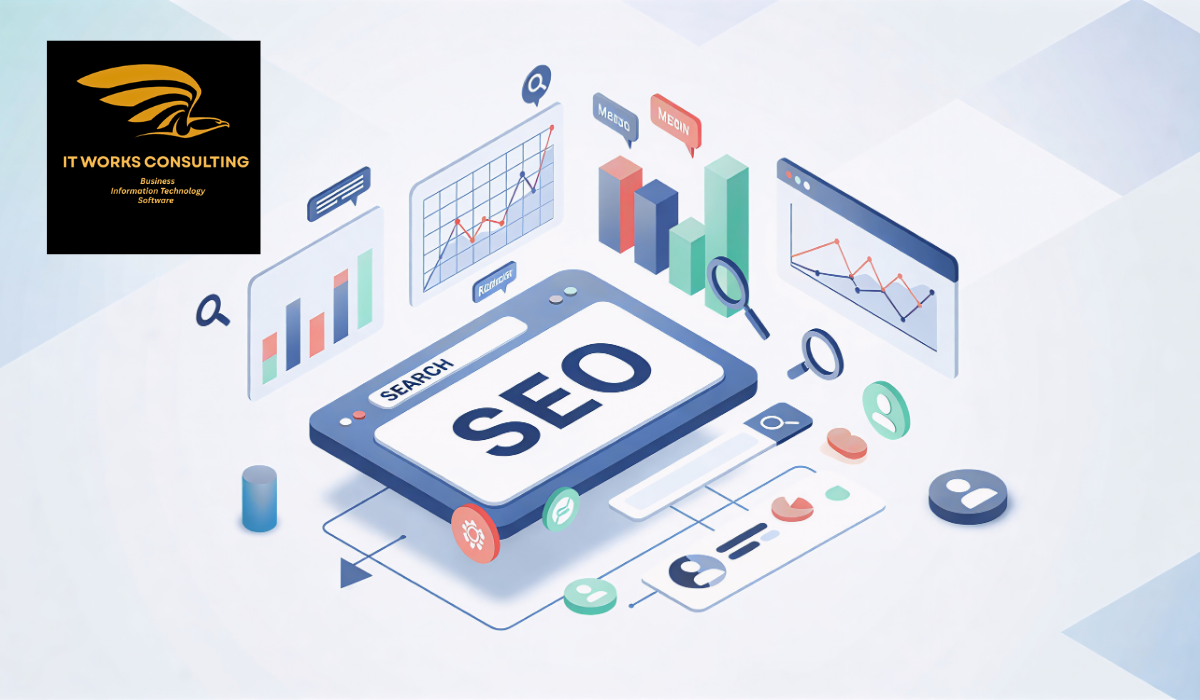
Search engine optimization (SEO) has evolved dramatically since the early days of keyword stuffing and spammy link farms. Today, ranking well on Google or Bing requires a strategic balance of multiple factors, primarily divided into two core categories: on-page SEO and off-page SEO.
For years, marketers have debated which one matters more. Is it better to perfect your website’s internal structure and content, or to focus on building backlinks and authority across the web?
The honest answer: you can’t win with just one. But depending on your goals, industry, and stage of growth, one may deserve more attention than the other.
In this in-depth guide, we’ll break down:
-
What on-page SEO really includes
-
What off-page SEO actually involves
-
How search engines evaluate both
-
The pros and limitations of each
-
Which one deserves priority in different scenarios
Let’s dive in.
Understanding On-Page SEO
On-page SEO refers to all the optimization efforts you control directly on your website. It focuses on making your pages more relevant, readable, and technically sound for both users and search engines.
Core Elements of On-Page SEO
1. High-Quality Content
Content is the backbone of on-page SEO. Search engines aim to deliver the most helpful and relevant results for user queries. That means your content must:
-
Match search intent
-
Provide comprehensive information
-
Be original and valuable
-
Be easy to read and well-structured
Long-form content often performs better because it covers topics more deeply—but only if it stays relevant and useful.
2. Keyword Optimization
Strategic keyword placement still matters, but it must feel natural. This includes:
-
Title tags
-
Meta descriptions
-
Headers (H1, H2, H3)
-
URL structure
-
Image alt text
-
Internal anchor text
Modern SEO focuses on semantic relevance, not keyword density. Search engines understand context better than ever.
3. Technical Structure
Technical elements ensure search engines can crawl and index your site properly:
-
Fast page load speed
-
Mobile responsiveness
-
Clean URL structure
-
Proper use of canonical tags
-
Secure HTTPS connection
Google prioritizes user experience heavily, making technical optimization essential.
4. Internal Linking
Internal links:
-
Help search engines understand site structure
-
Distribute authority across pages
-
Improve user navigation
-
Increase time on site
A strong internal linking strategy can dramatically boost rankings without acquiring a single external backlink.
5. User Experience (UX)
On-page SEO is increasingly tied to UX signals such as:
-
Bounce rate
-
Dwell time
-
Click-through rate
-
Core Web Vitals
If users quickly leave your page, search engines interpret that as a negative quality signal.
Understanding Off-Page SEO
Off-page SEO refers to optimization efforts that happen outside your website to improve its authority, trustworthiness, and reputation.
If on-page SEO tells search engines what your content is about, off-page SEO tells them how trustworthy and authoritative it is.
Core Elements of Off-Page SEO
1. Backlinks
Backlinks remain one of the strongest ranking factors.
When authoritative websites link to your content, they signal:
-
Credibility
-
Relevance
-
Popularity
However, quality matters far more than quantity. A single link from a trusted publication can outweigh dozens of low-quality links.
2. Brand Mentions
Even unlinked brand mentions can contribute to authority. Search engines are increasingly capable of recognizing brand signals across the web.
3. Social Signals
While social shares are not direct ranking factors, they:
-
Increase content visibility
-
Drive traffic
-
Encourage backlink acquisition
Content that performs well socially often gains organic links over time.
4. Online Reputation & Reviews
For local businesses, off-page SEO includes:
-
Google Business Profile optimization
-
Reviews on platforms
-
Local citations
Reputation management directly impacts visibility in local search results.
5. Digital PR & Outreach
Strategic outreach campaigns help secure:
-
Media coverage
-
Guest posts
-
Industry mentions
-
Thought leadership placements
This builds long-term authority.
How Search Engines Evaluate Both
Search engines use complex algorithms to rank content. While exact formulas are proprietary, we know rankings rely heavily on:
-
Relevance (mostly on-page)
-
Authority (mostly off-page)
-
User experience (both)
Think of it this way:
-
On-page SEO answers: Is this page relevant to the query?
-
Off-page SEO answers: Can we trust this page?
Without relevance, authority doesn’t help. Without authority, relevance struggles to rank in competitive niches.
The Strengths of On-Page SEO
1. Full Control
You control every aspect of on-page optimization. No need to depend on other websites.
2. Immediate Impact
Technical fixes and content improvements can produce noticeable ranking improvements relatively quickly.
3. Foundational for Everything Else
Even the best backlink strategy fails if:
-
Your content is thin
-
Your site loads slowly
-
Your structure is messy
On-page SEO is the foundation.
4. Lower Risk
Off-page SEO can sometimes involve risky tactics (e.g., unnatural link building). On-page optimization carries far less penalty risk.
The Strengths of Off-Page SEO
1. Authority Building
In competitive industries like finance, health, or SaaS, strong backlink profiles are often what separate page one from page three.
2. Competitive Leverage
If competitors have similar content quality, off-page signals become the differentiator.
3. Long-Term Momentum
High-quality backlinks can continue delivering authority for years.
When On-Page SEO Matters More
Scenario 1: New Website
If your site is new:
-
Focus on technical health
-
Build strong content
-
Optimize structure
There’s no point in building links to weak pages.
Scenario 2: Low-Competition Niches
If keyword difficulty is low, well-optimized content alone may rank.
Scenario 3: Poor Conversion Rates
If traffic isn’t converting, on-page UX and messaging improvements will deliver better ROI than chasing backlinks.
When Off-Page SEO Matters More
Scenario 1: Highly Competitive Keywords
Industries like insurance, law, and SaaS require serious authority signals.
Scenario 2: Plateaued Rankings
If your content is strong but stuck on page two, backlinks often push it to page one.
Scenario 3: Scaling Visibility
Once foundational SEO is solid, authority building accelerates growth.
The Real Answer: It’s Not Either/Or
The debate of on-page vs off-page SEO is flawed because search engines evaluate both simultaneously.
Think of SEO as a three-layer system:
-
Technical foundation (on-page)
-
Content relevance (on-page)
-
Authority & trust (off-page)
If any layer is weak, performance suffers.
You can build 1,000 backlinks—but if your content is thin, rankings won’t hold.
You can write the best article in the world—but without authority, it may never surface.
A Practical Strategy for Balancing Both
Step 1: Perfect Technical SEO First
-
Fix crawl errors
-
Improve speed
-
Ensure mobile optimization
-
Clean site architecture
Step 2: Build Exceptional Content
Create in-depth, structured content that satisfies intent better than competitors.
Step 3: Strengthen Internal Linking
Pass authority strategically to key pages.
Step 4: Launch Strategic Link Building
Focus on:
-
Guest posting
-
Digital PR
-
Resource link building
-
Data-driven content
Step 5: Monitor and Adjust
Track:
-
Organic traffic
-
Keyword positions
-
Referring domains
-
Conversion rates
SEO is iterative.
Common Mistakes to Avoid
-
Building backlinks to weak content
-
Ignoring technical issues
-
Over-optimizing anchor text
-
Publishing low-quality guest posts
-
Focusing only on traffic instead of conversions
Balance is everything.
The Future of On-Page and Off-Page SEO
Search engines are increasingly emphasizing:
-
E-E-A-T (Experience, Expertise, Authority, Trust)
-
Helpful content
-
Real brand signals
-
User satisfaction metrics
This means:
-
On-page quality will matter more than ever.
-
Off-page authority will remain critical in competitive markets.
-
Manipulative tactics will continue losing effectiveness.
SEO is moving toward authenticity.
Final Verdict: What Matters More?
If you’re looking for a simple answer:
-
On-page SEO is foundational.
-
Off-page SEO is amplifying.
Without strong on-page optimization, off-page efforts are wasted.
Without off-page authority, on-page optimization may never reach its potential.
The winning formula is not choosing between them—it’s mastering both in the right order.
Key Takeaways
-
On-page SEO controls relevance and usability.
-
Off-page SEO builds authority and trust.
-
Beginners should prioritize on-page foundations.
-
Competitive industries require strong off-page strategies.
-
Long-term SEO success demands integration of both.
In the end, search engines aim to reward websites that are both helpful and trusted. On-page SEO makes you helpful. Off-page SEO makes you trusted.
Master both—and you win.
-
May 28, 2026 How to Connect a Domain to Your Linux Server
-
May 28, 2026 How to Install WordPress on Linux Hosting
-
May 28, 2026 How to Install WordPress on Linux Hosting
-
May 28, 2026 How to Install WordPress on Linux Hosting