
 English









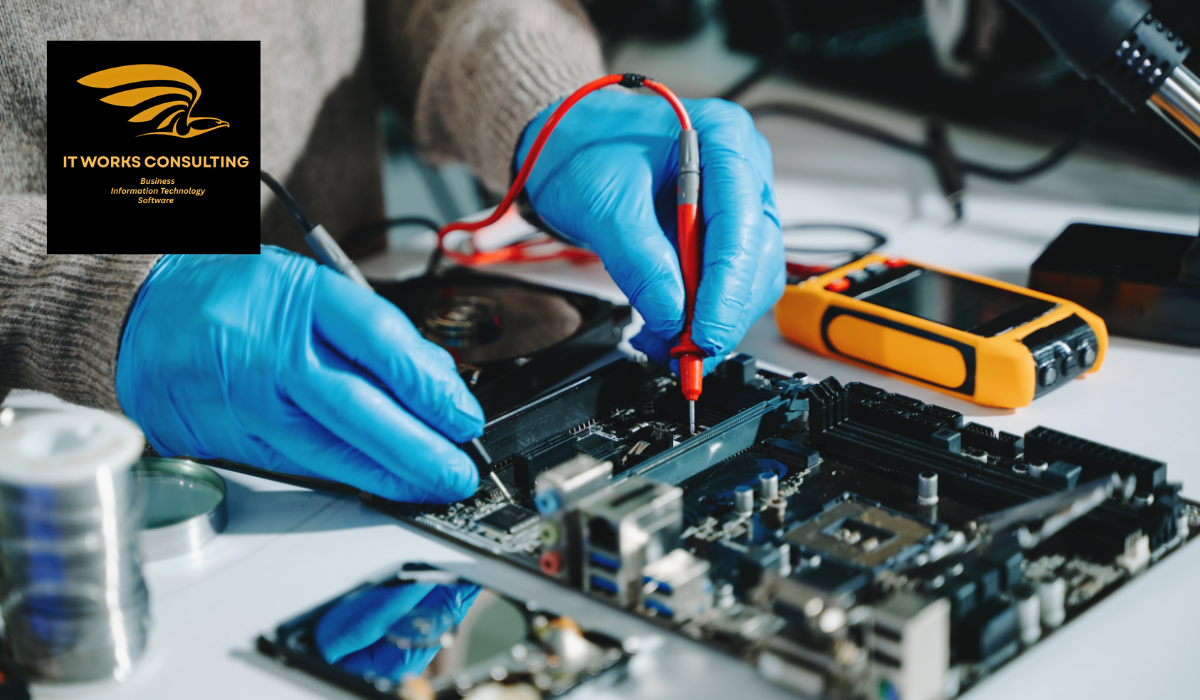
The electronics industry is one of the most complex and globally interconnected sectors in the modern economy. From smartphones and semiconductors to industrial automation systems and consumer appliances, electronics power virtually every aspect of contemporary life. Behind every electronic product lies a highly sophisticated value chain that spans multiple stages—design, component manufacturing, assembly, testing, distribution, and after-sales service.
Understanding the electronics value chain is essential for businesses, investors, policymakers, and professionals seeking to navigate this dynamic industry. Each stage contributes value, involves different stakeholders, and presents unique challenges and opportunities. This article provides a comprehensive, end-to-end explanation of the electronics value chain, highlighting processes, key players, technologies, and emerging trends shaping the industry in 2026 and beyond.
1. Overview of the Electronics Value Chain
The electronics value chain can be broadly divided into the following stages:
- Research & Development (R&D) and Design
- Semiconductor Manufacturing
- Component Manufacturing
- Printed Circuit Board (PCB) Fabrication
- Assembly and Integration
- Testing and Quality Assurance
- Packaging and Branding
- Distribution and Logistics
- Retail and End-User Delivery
- After-Sales Services and Recycling
Each stage is interconnected, often geographically dispersed, and reliant on specialized expertise.
2. Research & Development (R&D) and Design
Concept Development
The value chain begins with ideation and product conceptualization. Companies identify market needs, technological opportunities, and customer preferences to define product specifications.
Product Design
This stage involves:
- Industrial design (form, aesthetics, usability)
- Electrical design (circuit architecture)
- Mechanical design (structure, materials)
- Software integration (firmware, embedded systems)
Advanced tools such as CAD (Computer-Aided Design) and simulation software are used to prototype and refine designs.
Chip Design (Fabless Model)
In the semiconductor segment, many companies follow a fabless model, focusing solely on chip design while outsourcing manufacturing. This includes:
- Architecture design
- Logic design
- Verification and validation
Key Trends
- AI-driven design automation
- Digital twins for prototyping
- Increasing design complexity due to miniaturization
3. Semiconductor Manufacturing
Semiconductors are the backbone of all electronic devices.
Wafer Fabrication
This highly capital-intensive process involves:
- Photolithography
- Etching
- Doping
- Deposition
Manufacturing occurs in cleanroom environments with nanometer-level precision.
Foundry Model
Most semiconductor manufacturing is handled by specialized foundries. This separation allows design firms to innovate without investing in fabrication facilities.
Challenges
- High capital expenditure (billions of dollars per fab)
- Supply chain disruptions
- Geopolitical dependencies
Trends
- Advanced nodes (3nm, 2nm technologies)
- Chiplet architecture
- Increasing demand for AI and automotive chips
4. Component Manufacturing
Once semiconductors are produced, they are integrated with other electronic components, including:
- Capacitors
- Resistors
- Inductors
- Sensors
- Connectors
- Displays
- Batteries
Specialization
Different manufacturers specialize in specific components, creating a highly fragmented ecosystem.
Innovation Areas
- Miniaturization
- Energy efficiency
- Flexible and wearable electronics
- Advanced battery technologies
5. Printed Circuit Board (PCB) Fabrication
PCBs serve as the backbone that connects all electronic components.
PCB Design
Engineers design layouts that define:
- Electrical pathways
- Component placement
- Heat management
Fabrication Process
Includes:
- Layer stacking
- Etching copper traces
- Drilling vias
- Surface finishing
Types of PCBs
- Single-layer
- Multi-layer
- Flexible PCBs
- High-density interconnect (HDI)
Trends
- Increased layer counts for complex devices
- Use of advanced materials for high-speed electronics
6. Assembly and Integration
Surface Mount Technology (SMT)
Components are mounted directly onto PCBs using automated machines.
Through-Hole Technology (THT)
Used for components requiring strong mechanical bonds.
System Integration
At this stage, components are integrated into final products such as:
- Smartphones
- Laptops
- Consumer appliances
- Industrial equipment
Contract Manufacturing
Many companies outsource assembly to Electronics Manufacturing Services (EMS) providers.
Benefits of Outsourcing
- Cost efficiency
- Scalability
- Access to specialized expertise
7. Testing and Quality Assurance
Ensuring product reliability is critical in electronics.
Types of Testing
- Functional testing
- In-circuit testing (ICT)
- Environmental testing (temperature, humidity)
- Reliability testing (lifecycle analysis)
Compliance Standards
Products must meet international standards such as:
- Safety certifications
- Electromagnetic compatibility (EMC)
- Environmental regulations
Importance
Failures at this stage can lead to:
- Product recalls
- Brand damage
- Financial losses
8. Packaging and Branding
Product Packaging
Packaging serves multiple purposes:
- Protection during transit
- Branding and marketing
- Regulatory information display
Branding Strategy
Companies differentiate products through:
- Design aesthetics
- User experience
- Marketing campaigns
Sustainability Considerations
- Eco-friendly packaging materials
- Reduced plastic usage
- Recyclable components
9. Distribution and Logistics
Global Supply Chains
Electronics distribution involves complex logistics networks spanning multiple countries.
Distribution Channels
- Direct-to-consumer (D2C)
- Retail distribution
- Online marketplaces
- Wholesale distributors
Logistics Components
- Warehousing
- Inventory management
- Transportation (air, sea, land)
Challenges
- Supply chain disruptions
- Demand fluctuations
- Inventory management complexities
Digital Transformation
- AI-powered demand forecasting
- Blockchain for supply chain transparency
- Real-time tracking systems
10. Retail and End-User Delivery
Retail Formats
- Physical stores
- E-commerce platforms
- Authorized dealers
Customer Experience
- Product demonstrations
- Customer support
- Warranty services
Trends
- Omnichannel retailing
- Direct brand engagement
- Subscription-based models for electronics
11. After-Sales Services and Support
Services Offered
- Repairs and maintenance
- Warranty management
- Software updates
- Customer support
Importance
After-sales service plays a critical role in:
- Customer satisfaction
- Brand loyalty
- Revenue generation
Emerging Trends
- Remote diagnostics
- AI-powered customer support
- Predictive maintenance
12. Reverse Logistics and Recycling
End-of-Life Management
Electronics products eventually reach end-of-life, requiring:
- Recycling
- Refurbishment
- Disposal
E-Waste Challenges
- Environmental hazards
- Regulatory compliance
- Resource recovery
Circular Economy
Companies are increasingly adopting circular models:
- Product take-back programs
- Reuse and refurbishment
- Sustainable material sourcing
13. Key Stakeholders in the Value Chain
The electronics value chain involves multiple participants:
- Design firms (product and chip designers)
- Semiconductor foundries
- Component manufacturers
- EMS providers
- Distributors and logistics providers
- Retailers
- Service providers
Each stakeholder plays a specialized role, contributing to the overall efficiency and innovation of the ecosystem.
14. Challenges Across the Electronics Value Chain
Supply Chain Disruptions
Global events such as pandemics, geopolitical tensions, and natural disasters can disrupt supply chains.
Cost Pressures
Rising material costs, labor expenses, and energy prices impact profitability.
Rapid Technological Change
Companies must continuously innovate to remain competitive.
Regulatory Compliance
Stringent regulations on safety, environment, and data privacy increase complexity.
15. Emerging Trends Shaping the Value Chain (2026 and Beyond)
1. Localization of Manufacturing
Countries are investing in domestic semiconductor and electronics manufacturing to reduce dependency on imports.
2. Automation and Industry 4.0
Smart factories using:
- Robotics
- IoT
- AI-driven analytics
are improving efficiency and reducing costs.
3. Sustainability and Green Electronics
Focus on:
- Energy-efficient devices
- Eco-friendly materials
- Circular economy practices
4. Digital Supply Chains
End-to-end digital integration enables:
- Real-time visibility
- Better demand forecasting
- Improved resilience
5. Rise of AI and Edge Computing
Increasing demand for AI-enabled devices is reshaping design and manufacturing priorities.
6. 5G and Connectivity
Enhanced connectivity is driving innovation in:
- IoT devices
- Smart cities
- Autonomous systems
16. Regional Dynamics in the Electronics Value Chain
Asia-Pacific
- Dominates manufacturing and assembly
- Strong presence in semiconductors and components
North America
- Focus on design and innovation
- Leading semiconductor companies
Europe
- Strength in industrial electronics and automotive systems
India’s Emerging Role
India is rapidly developing its electronics ecosystem through:
- Government incentives
- Growing domestic demand
- Expansion of manufacturing capabilities
17. Future Outlook
The electronics value chain is expected to become:
- More resilient through diversification
- More digital through advanced technologies
- More sustainable through circular practices
- More localized due to geopolitical shifts
Companies that can integrate design innovation, manufacturing excellence, and agile supply chains will gain a competitive edge.
Conclusion
The electronics value chain—from design to distribution—is a complex, multi-layered ecosystem that drives global innovation and economic growth. Each stage adds value, requires specialized expertise, and contributes to the final product delivered to consumers and businesses.
As technology continues to evolve, the value chain is undergoing significant transformation. Digitalization, sustainability, and geopolitical shifts are reshaping how electronics are designed, manufactured, and distributed. Understanding these dynamics is essential for stakeholders aiming to succeed in this rapidly changing industry.
By mastering the intricacies of the electronics value chain, businesses can optimize operations, reduce risks, and capitalize on emerging opportunities in one of the world’s most critical industries.
-
May 28, 2026 How to Connect a Domain to Your Linux Server
-
May 28, 2026 How to Install WordPress on Linux Hosting
-
May 28, 2026 How to Install WordPress on Linux Hosting
-
May 28, 2026 How to Install WordPress on Linux Hosting