
 English











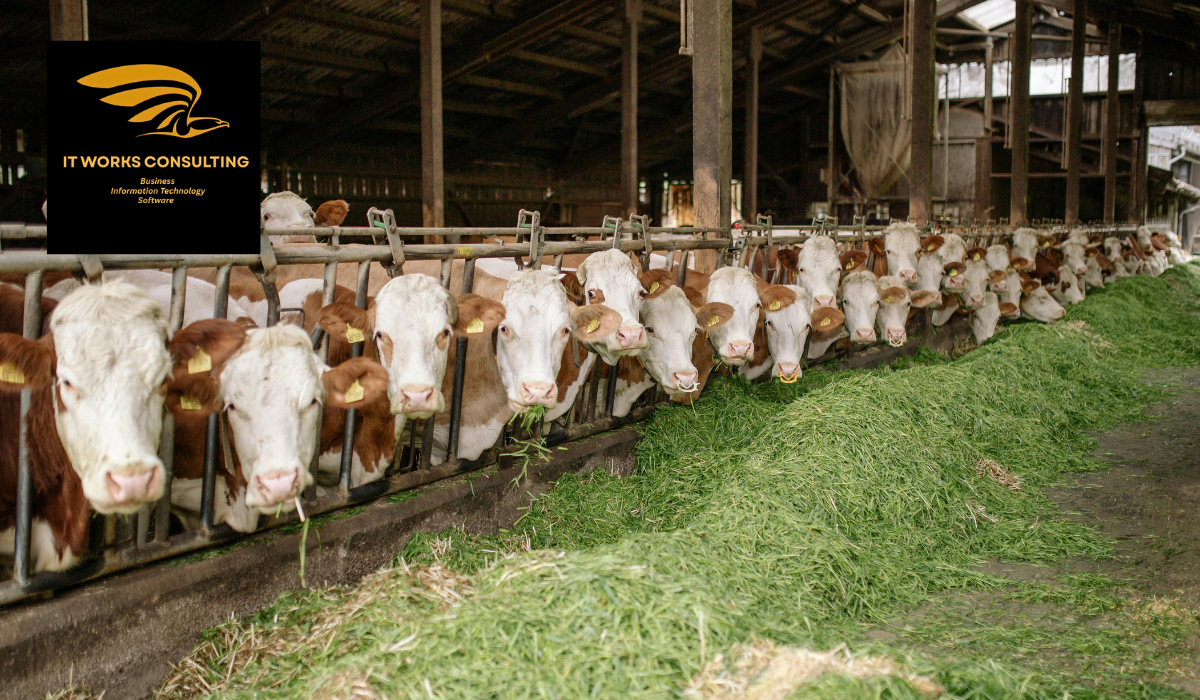
Livestock farming is one of the oldest and most essential forms of agriculture, playing a crucial role in global food systems, rural livelihoods, and economic development. From smallholder farms in developing countries to large-scale commercial operations, livestock farming supports billions of people worldwide by providing food, income, employment, and raw materials.
Organizations such as the Food and Agriculture Organization (FAO) estimate that livestock contributes to the livelihoods of nearly 1.3 billion people globally. In countries like India, livestock farming is deeply integrated into agricultural systems and rural economies, serving as a critical buffer against crop failures and economic uncertainty.
This comprehensive guide explores everything about livestock farming—from types and systems to management practices, challenges, opportunities, and future trends.
What Is Livestock Farming?
Livestock farming refers to the breeding, raising, and management of domesticated animals for food, fiber, labor, and other products. These animals include cattle, buffalo, sheep, goats, pigs, poultry, and more.
Livestock farming serves multiple purposes:
- Production of meat, milk, eggs, and other food products
- Supply of raw materials like wool, leather, and manure
- Draught power for agricultural operations
- Income generation and employment
Importance of Livestock Farming
1. Food Security
Livestock contributes significantly to global food supply by providing protein-rich foods such as milk, meat, and eggs. These products are essential for balanced nutrition.
2. Economic Contribution
Livestock farming is a major contributor to agricultural GDP in many countries. In India, it accounts for a significant share of the agricultural economy.
3. Employment Generation
Millions of people depend on livestock farming for their livelihood, especially in rural areas.
4. Risk Management
Livestock acts as a financial safety net. Farmers can sell animals during times of need, making it a form of “living bank.”
5. Soil Fertility and Sustainability
Animal manure is widely used as organic fertilizer, improving soil health and reducing dependence on chemical inputs.
Types of Livestock Farming
1. Dairy Farming
Dairy farming focuses on the production of milk and milk products. Common animals include cows and buffaloes.
Key Features:
- Requires proper feeding and hygiene
- Regular milking schedules
- High demand in urban and rural markets
2. Poultry Farming
Poultry farming involves raising birds such as chickens, ducks, and turkeys for meat and eggs.
Types:
- Broiler farming (meat production)
- Layer farming (egg production)
3. Sheep and Goat Farming
Also known as small ruminant farming, it is popular in arid and semi-arid regions.
Benefits:
- Low investment
- Adaptability to harsh climates
- Multiple products (meat, milk, wool)
4. Pig Farming
Pig farming is highly profitable due to the fast growth rate and high feed conversion efficiency of pigs.
5. Mixed Livestock Farming
This system combines different types of livestock or integrates livestock with crop production.
Livestock Farming Systems
1. Extensive Farming System
- Animals graze on natural pastures
- Low input and low output
- Common in rural and tribal areas
2. Intensive Farming System
- High input and high productivity
- Use of modern technologies
- Controlled feeding and housing
3. Semi-Intensive System
- Combination of grazing and stall feeding
- Balanced approach between cost and productivity
4. Nomadic Herding
- Animals are moved from place to place in search of pasture
- Practiced in dry and mountainous regions
Livestock Breeds and Selection
Choosing the right breed is critical for productivity.
Factors to Consider:
- Climate adaptability
- Disease resistance
- Productivity (milk yield, growth rate, egg production)
- Market demand
Examples:
- Indigenous breeds (hardy but lower productivity)
- Exotic breeds (high productivity but require better management)
- Crossbreeds (balance between productivity and adaptability)
Housing and Infrastructure
Proper housing ensures animal health and productivity.
Key Requirements:
- Adequate space
- Ventilation
- Protection from extreme weather
- Clean water supply
- Waste disposal systems
Types of Housing:
- Open housing
- Closed housing
- Loose housing systems
Feeding and Nutrition
Nutrition is the backbone of livestock productivity.
Types of Feed:
- Roughage: Grass, hay, silage
- Concentrates: Grains, oilseed cakes
- Supplements: Minerals and vitamins
Feeding Practices:
- Balanced diet based on animal type and age
- Regular feeding schedules
- Access to clean drinking water
Health Management
Maintaining animal health is crucial to prevent losses.
Common Practices:
- Vaccination programs
- Regular health check-ups
- Parasite control
- Hygiene and sanitation
Common Diseases:
- Foot and Mouth Disease (FMD)
- Mastitis
- Avian influenza in poultry
Veterinary support plays a key role in disease prevention and treatment.
Breeding and Reproduction
Efficient breeding improves productivity.
Methods:
- Natural mating
- Artificial insemination (AI)
Key Concepts:
- Heat detection
- Calving interval
- Genetic improvement
Livestock Products and By-products
Primary Products:
- Milk
- Meat
- Eggs
Secondary Products:
- Wool
- Leather
- Manure
Value Addition:
Processing livestock products increases profitability:
- Cheese, butter, yogurt
- Packaged meat
- Processed eggs
Livestock Farming in India
India is one of the largest livestock producers in the world.
Key Highlights:
- Largest producer of milk globally
- Significant poultry and goat population
- Strong rural dependency
Government Initiatives:
- National Livestock Mission
- Rashtriya Gokul Mission
- Dairy development programs
These initiatives aim to improve productivity, breed quality, and farmer income.
Challenges in Livestock Farming
1. Disease Outbreaks
Epidemics can cause significant losses.
2. Feed Shortage
Limited availability of quality fodder affects productivity.
3. Climate Change
Heat stress and changing weather patterns impact livestock health.
4. Market Fluctuations
Price volatility affects profitability.
5. Lack of Infrastructure
Inadequate storage, transportation, and processing facilities.
Sustainable Livestock Farming
Sustainability is becoming increasingly important.
Practices:
- Efficient resource use
- Waste management
- Reduced greenhouse gas emissions
- Integration with crop farming
Organizations like the World Bank support sustainable livestock initiatives globally.
Role of Technology in Livestock Farming
Technology is transforming livestock farming.
Key Innovations:
- Precision livestock farming
- Automated feeding systems
- Wearable sensors for animal health monitoring
- Data analytics for productivity optimization
Digital Platforms:
- Farm management software
- Online marketplaces
Livestock Farming Business Opportunities
1. Dairy Business
High demand and steady income.
2. Poultry Farming
Quick returns and scalable operations.
3. Organic Livestock Products
Growing demand for organic meat and dairy.
4. Value-Added Products
Processing increases profit margins.
5. Export Opportunities
Global demand for livestock products is rising.
Steps to Start Livestock Farming
- Choose the type of livestock
- Conduct market research
- Select a suitable location
- Invest in infrastructure
- Procure quality breeds
- Plan feeding and healthcare
- Hire skilled labor (if needed)
- Develop a marketing strategy
Future of Livestock Farming
The future of livestock farming is shaped by innovation, sustainability, and rising demand.
Trends:
- Shift toward sustainable practices
- Increased use of AI and IoT
- Growth of alternative proteins
- Improved supply chain systems
Despite challenges, livestock farming will continue to play a vital role in feeding the global population.
Conclusion
Livestock farming is a dynamic and essential sector that supports food security, economic growth, and rural livelihoods. With the right combination of traditional knowledge and modern technology, farmers can significantly enhance productivity and sustainability.
As global demand for animal-based products continues to rise, the livestock sector offers immense opportunities for growth, innovation, and entrepreneurship. However, addressing challenges such as climate change, disease management, and resource constraints will be critical to ensuring a resilient and sustainable future.
Whether you are a farmer, entrepreneur, policymaker, or student, understanding livestock farming is key to unlocking its full potential in the modern agricultural landscape.
-
May 28, 2026 How to Connect a Domain to Your Linux Server
-
May 28, 2026 How to Install WordPress on Linux Hosting
-
May 28, 2026 How to Install WordPress on Linux Hosting
-
May 28, 2026 How to Install WordPress on Linux Hosting